 ×
 ·
streaming on

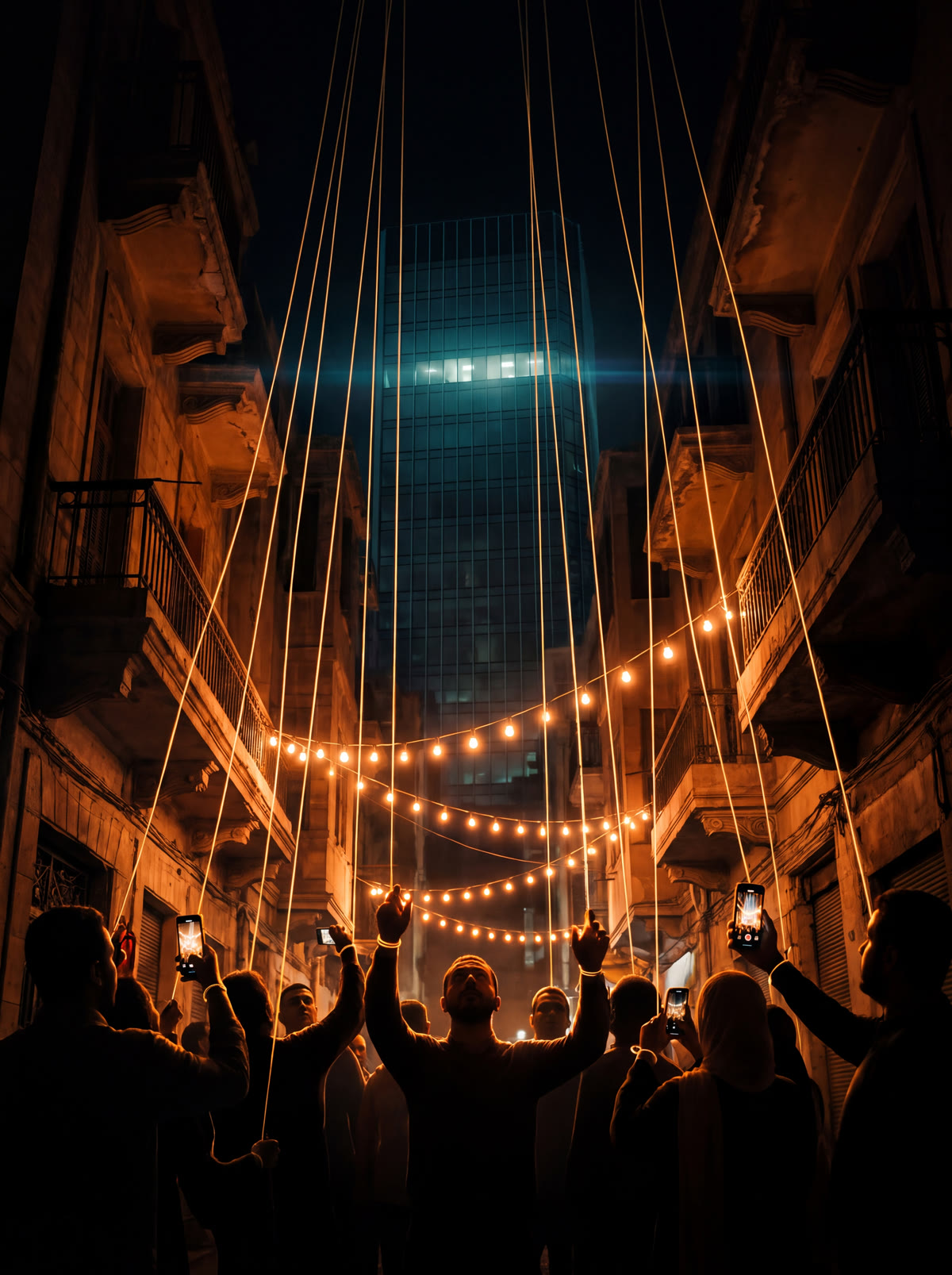
The episodes
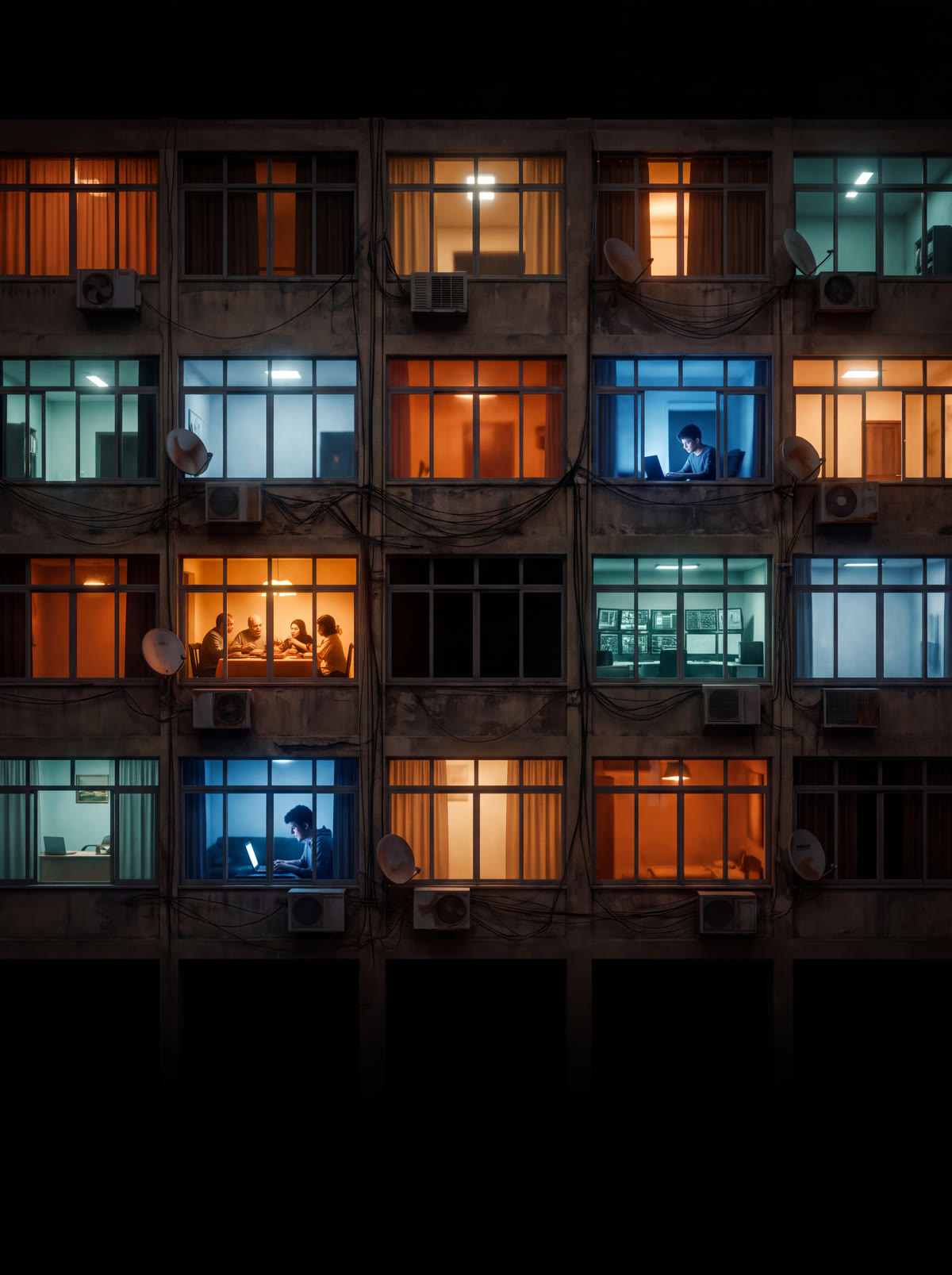
A psychological drama
that moves like a thriller.
بعد موت ابنه المراهق أثناء تنفيذه تحدي خطير شافه على السوشيال ميديا، يبدأ حسن — مدرس التاريخ — في البحث عمن تسبب في موت ابنه… ويكتشف إنه ما كانش يعرف ابنه أصلاً.
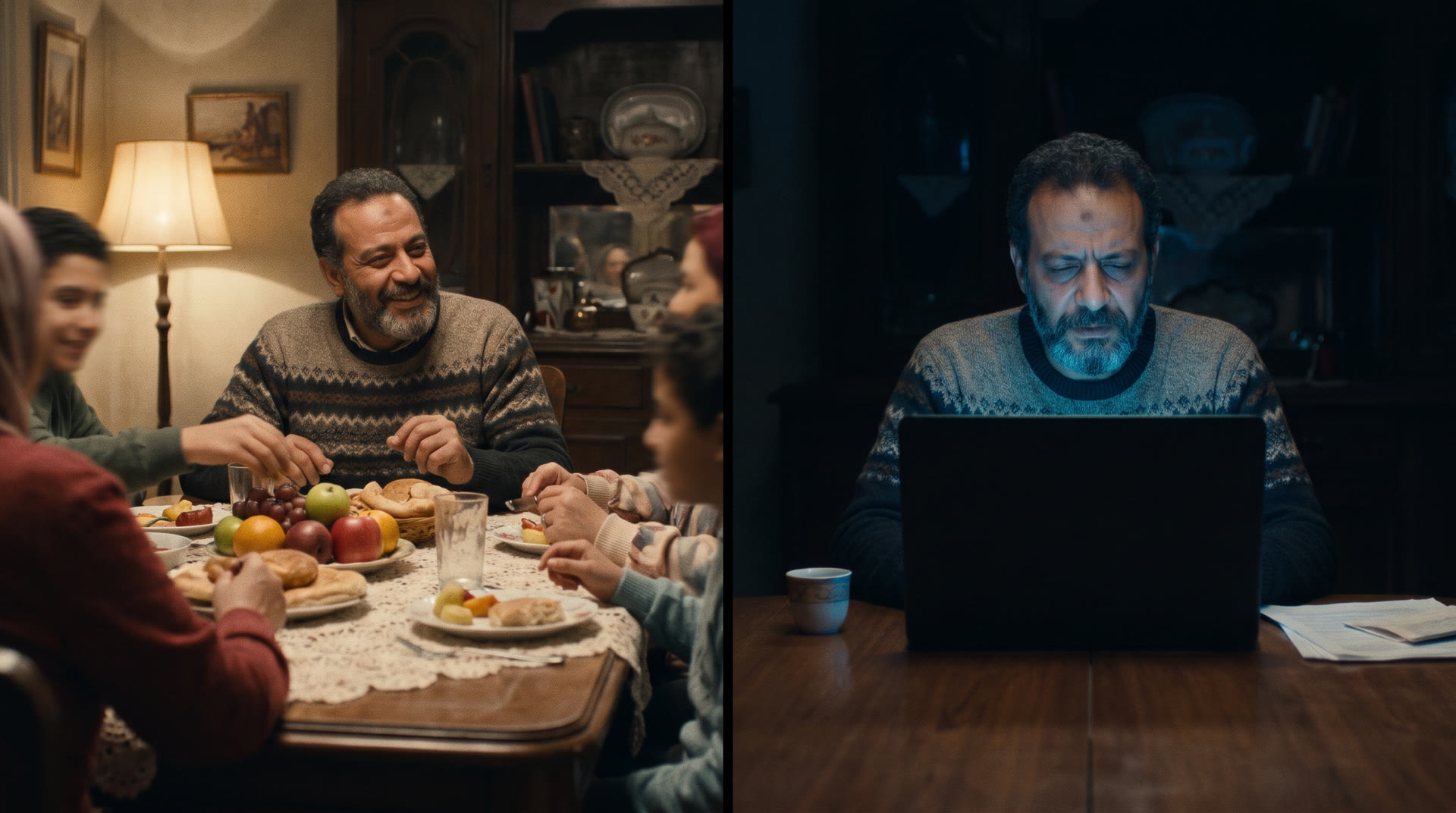
THE IMAGE
What people see. The version of someone that lives on a screen, in a classroom, at the dinner table.
THE TRUTH
What sits underneath. The part nobody asked about — and the series spends its episodes uncovering.
This is not a series about social media being bad. It's about people who judged each other from half a picture. كان عايش معاه ومايعرفوش.
حقيقي.
The campaign doesn't advertise the series. It behaves like it. A mystery that unfolds inside social media itself — every post is a clue, a contradiction, a point of view, or a reveal. The audience doesn't watch the campaign. They investigate it.
A shot that looks alarming is staged. A casual post carries the real clue.
Two versions of the same moment, from two sources, that don't agree.
Clues live across cast, creators, PR pages and one person who shouldn't exist.
After the finale: what was real, what was built, and who was never there.
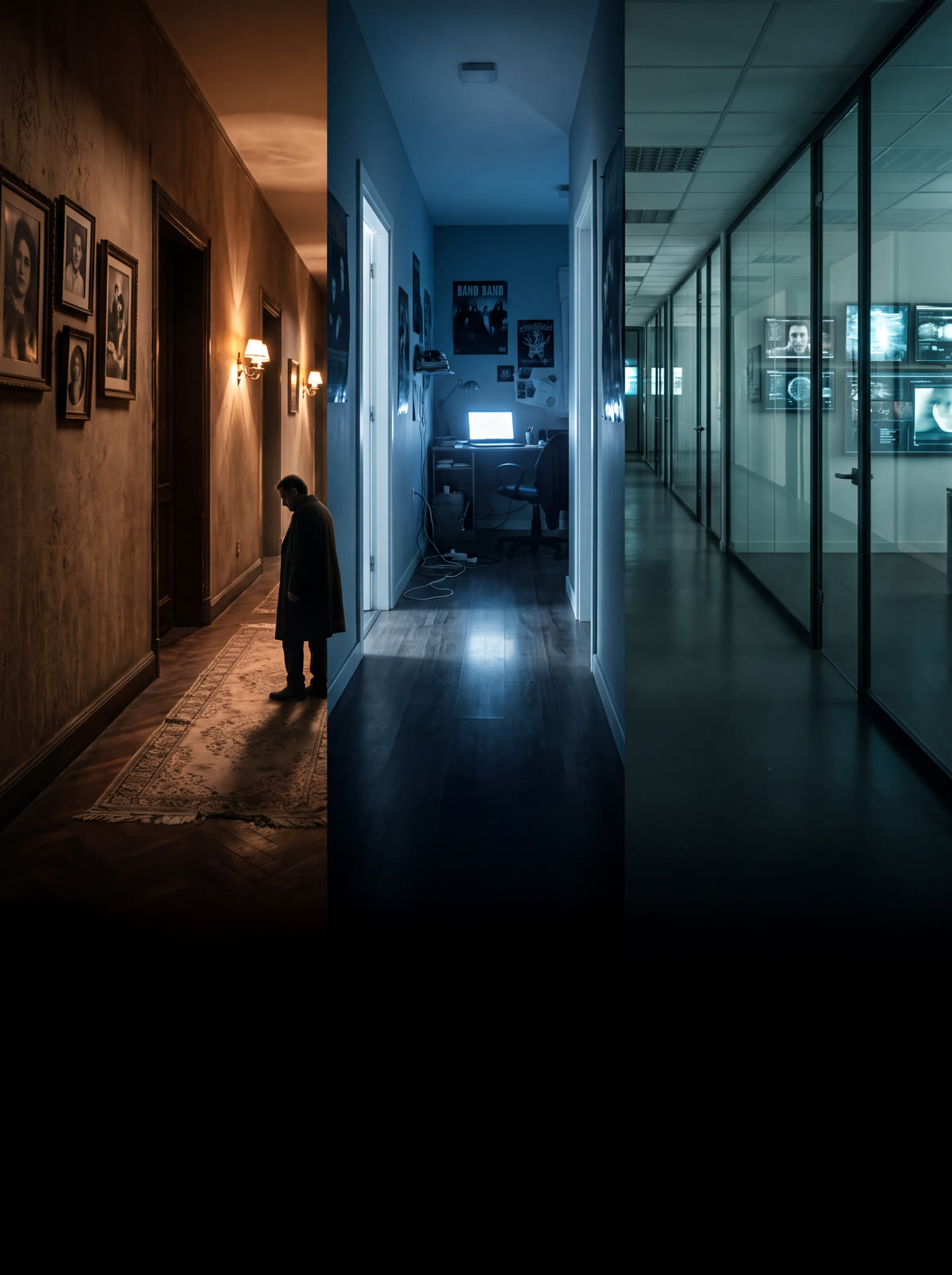
One story. Three worlds that don't see each other.
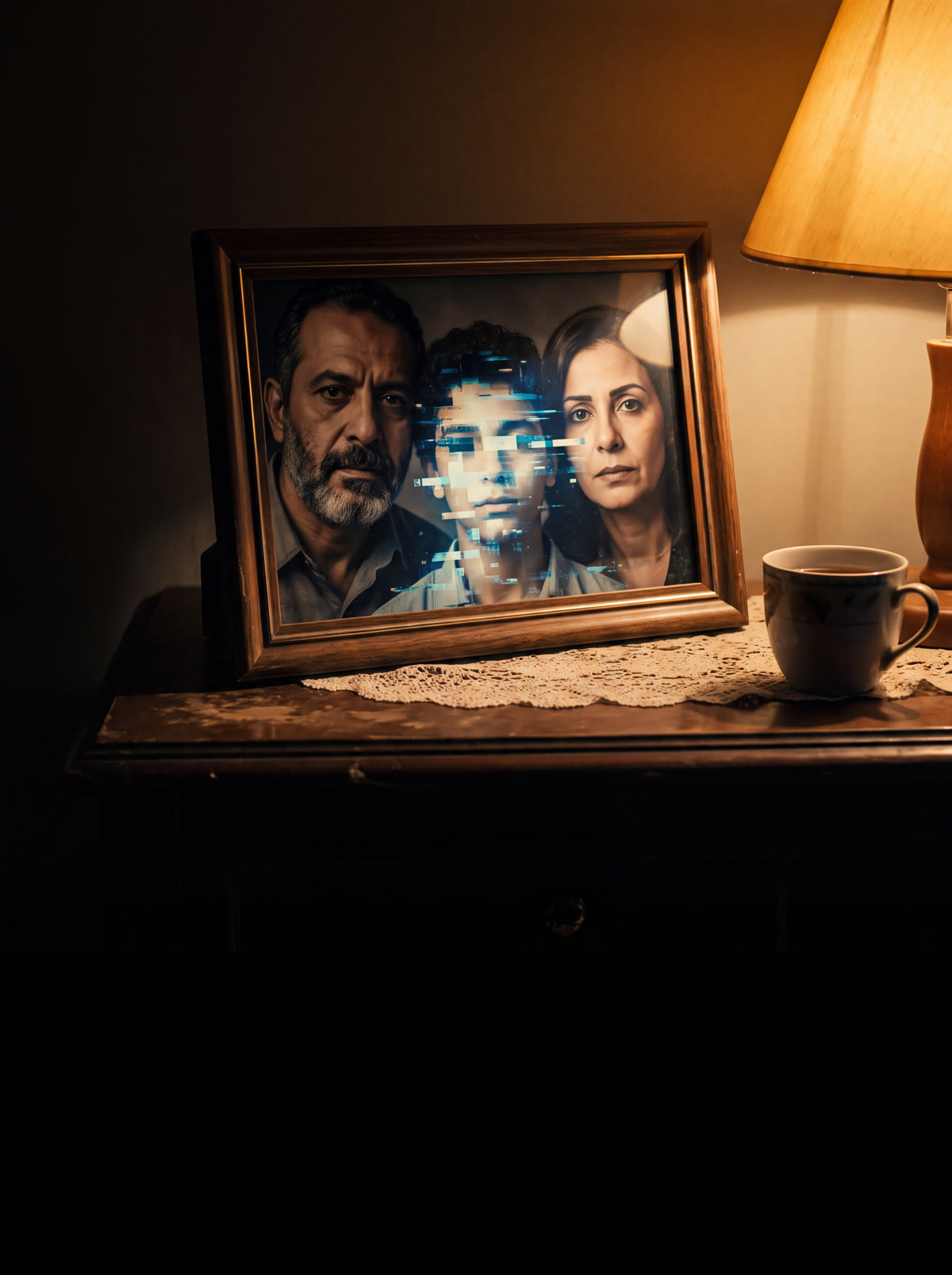
The Parents
Home. Warm, amber, real. Far from social media — until it walks into the living room.
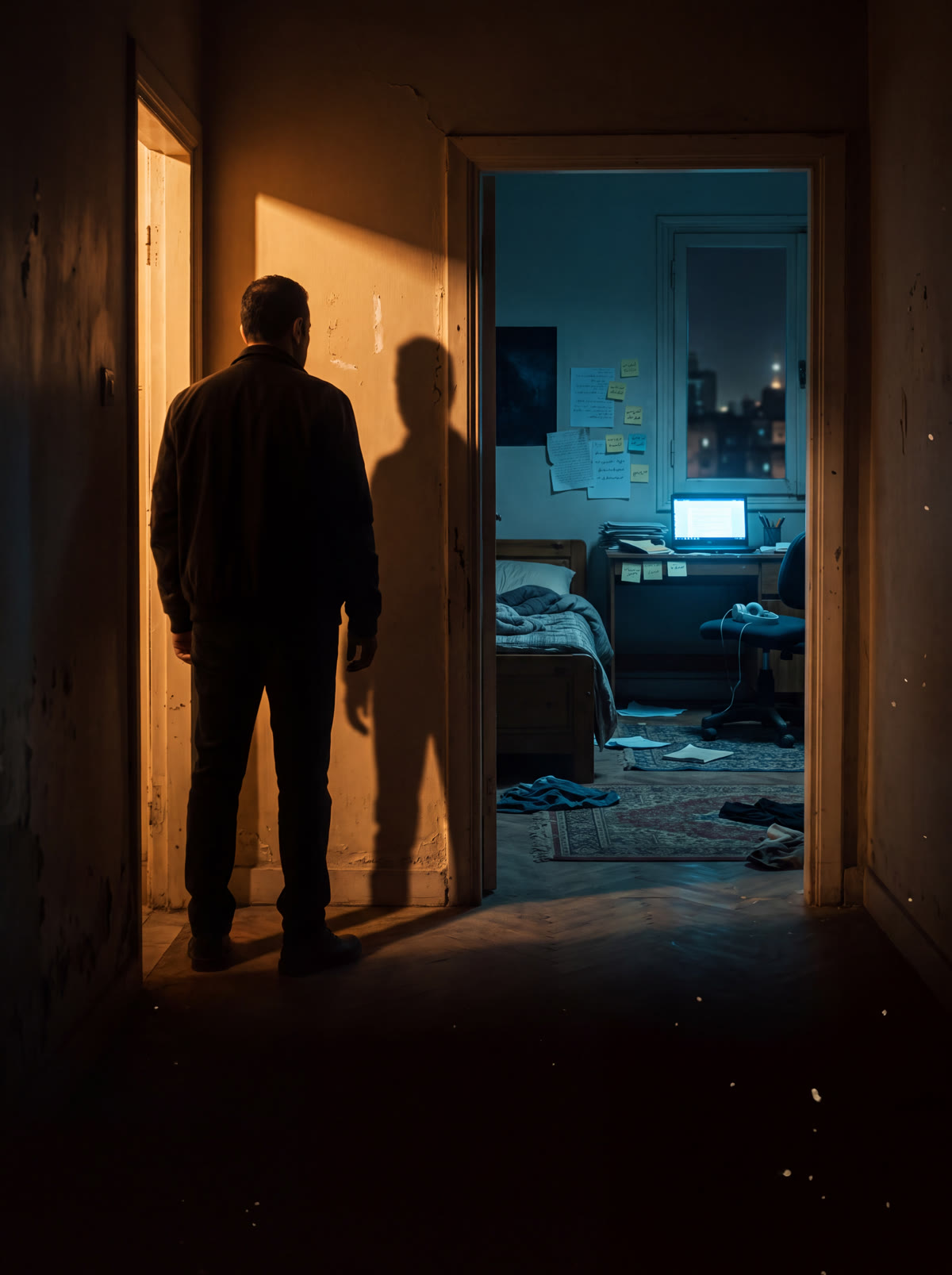
Gen Z & Gen Alpha
Real rooms lit by the screen. The only universe that carries amber and screen-blue in one frame.
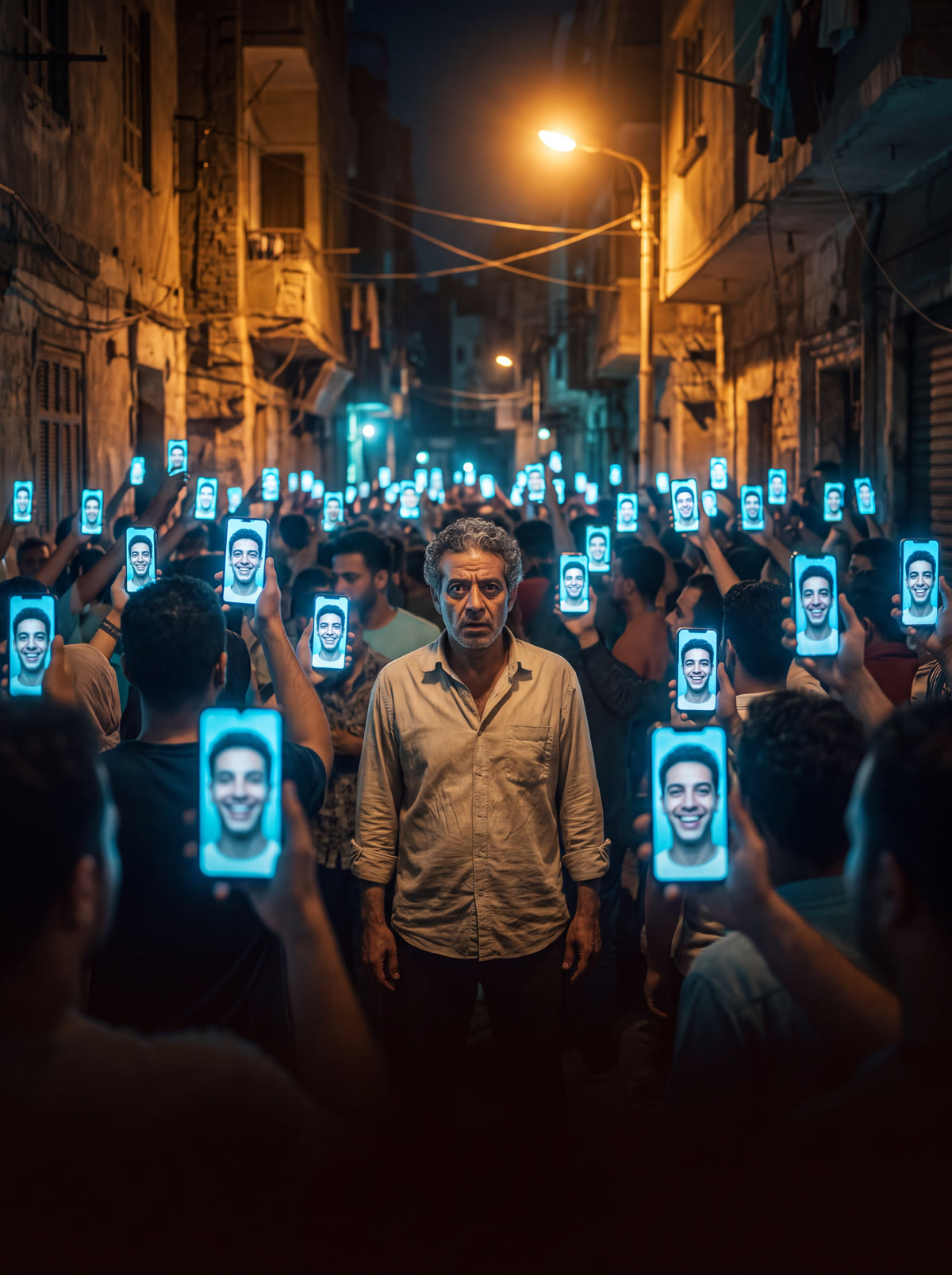
The Virtual World
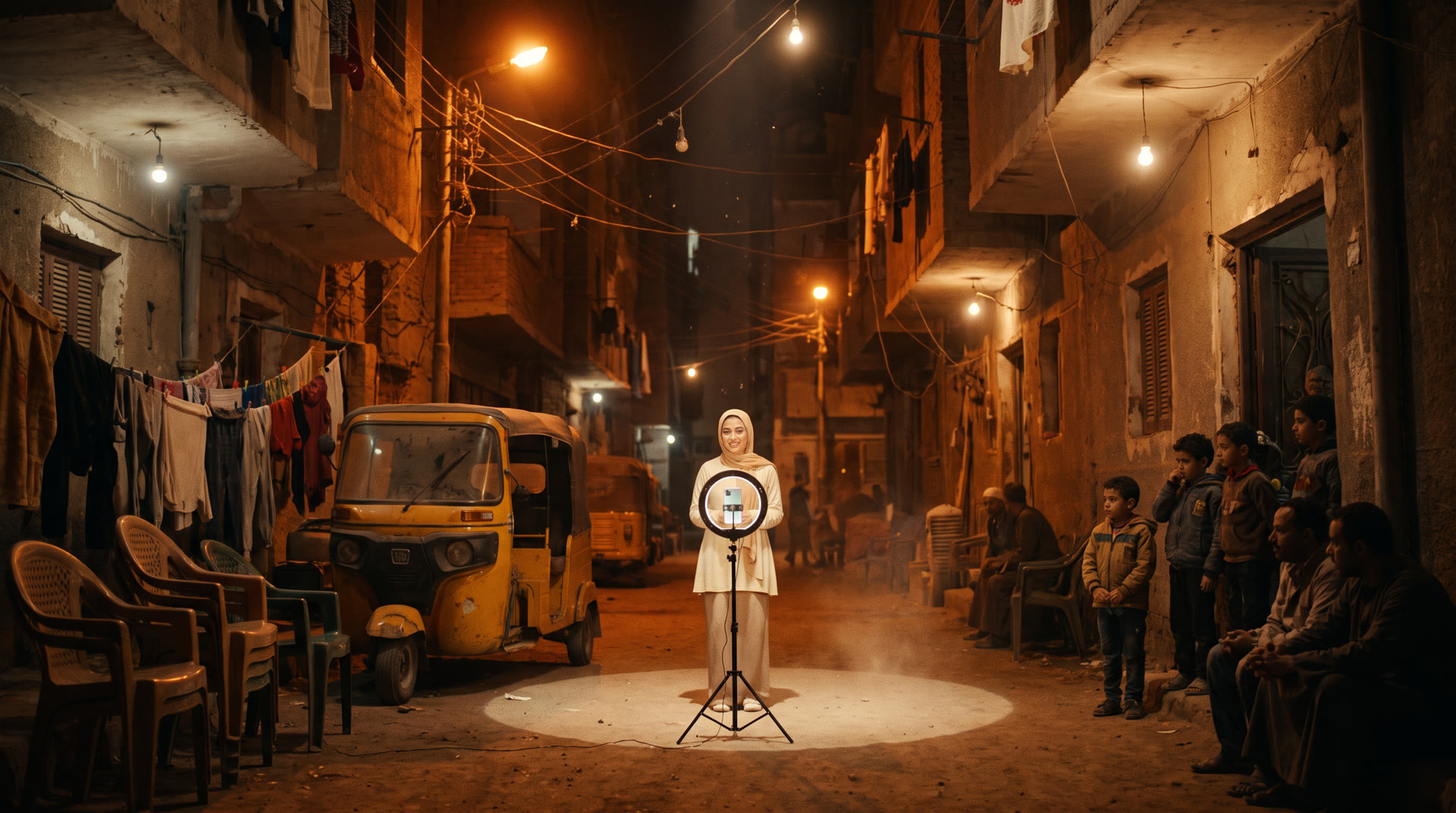
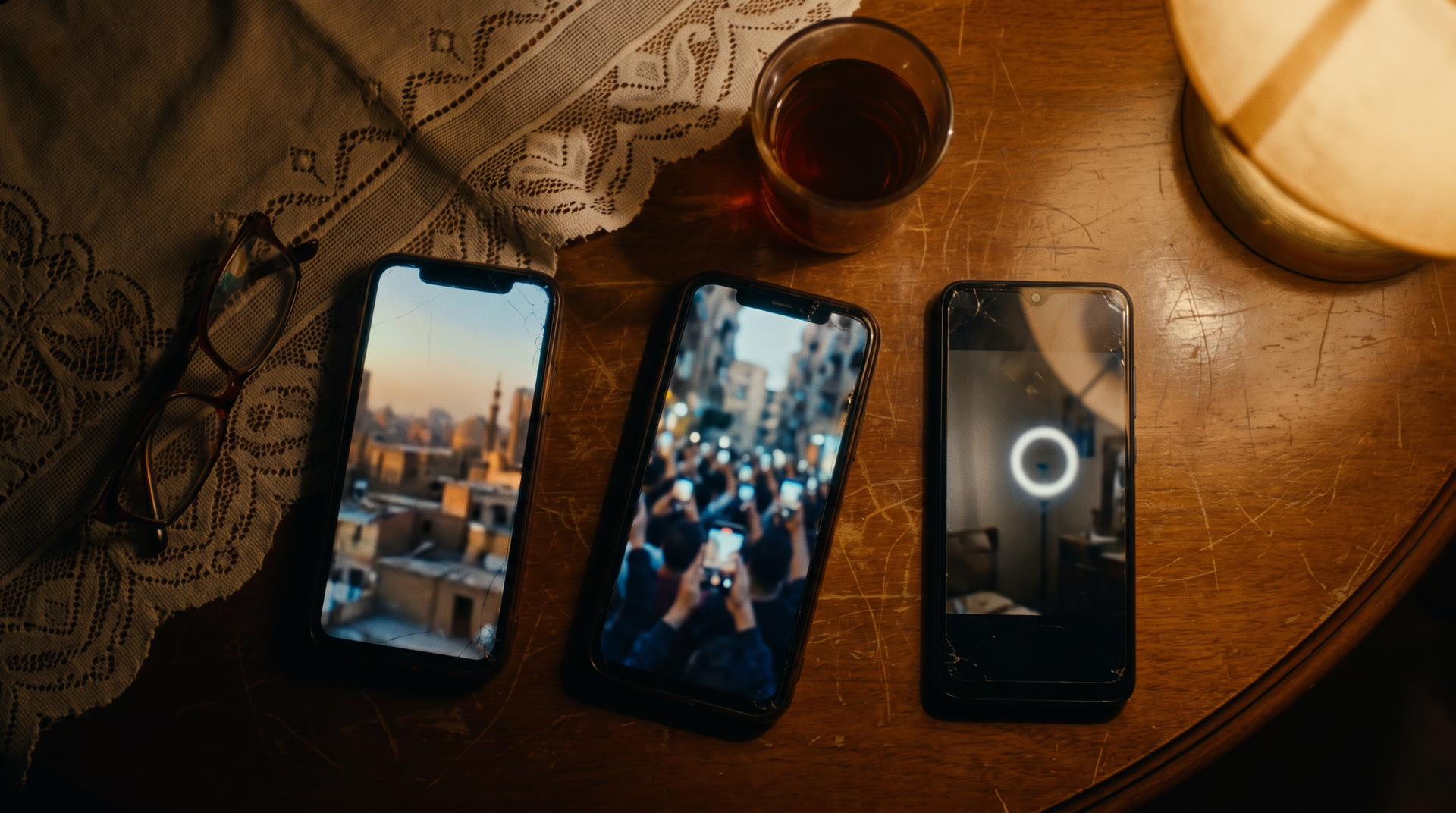
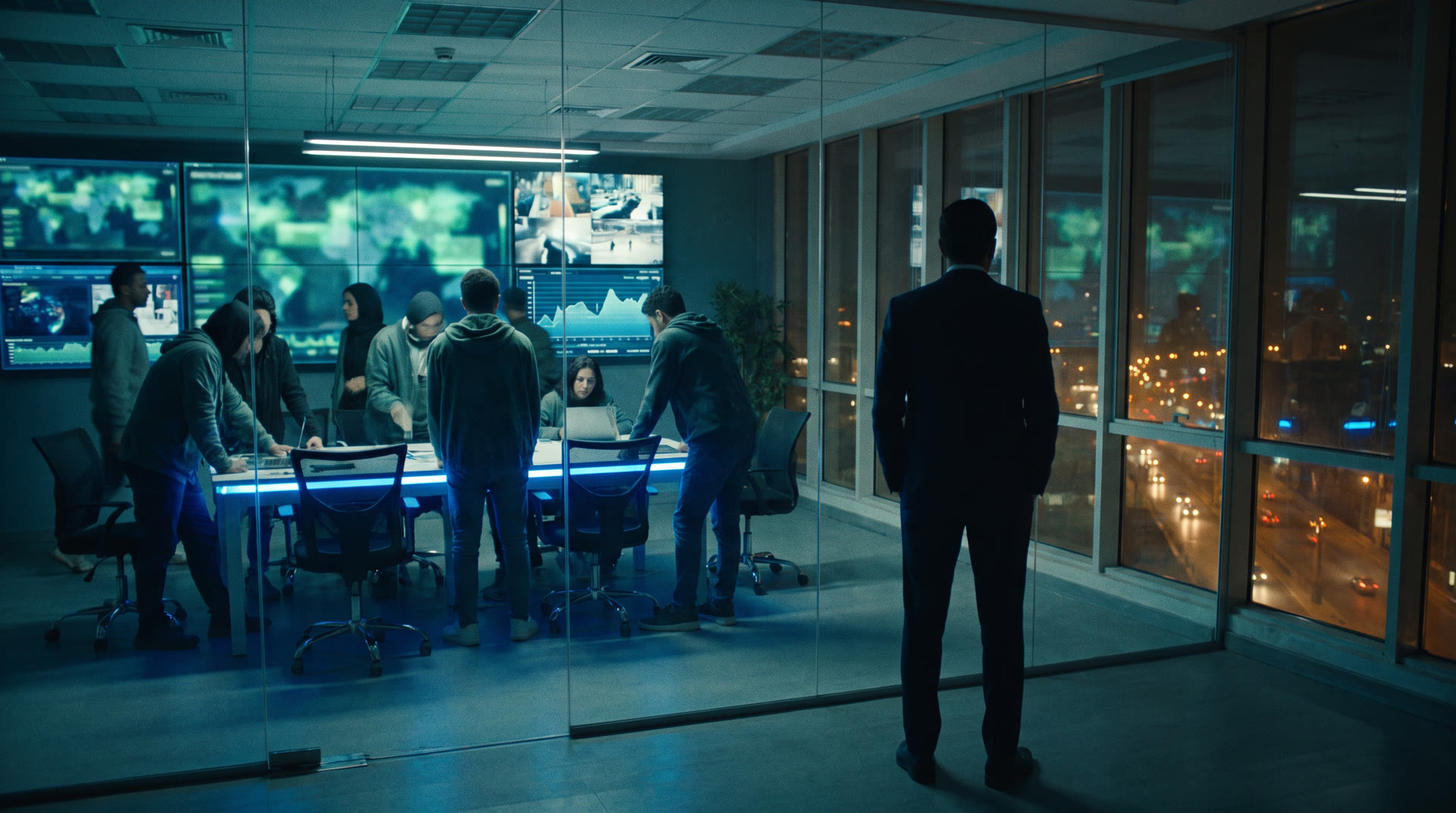
The street face: ring lights, rooftops, every phone up. The agency face: glass, teal, cold — where the street face is built.
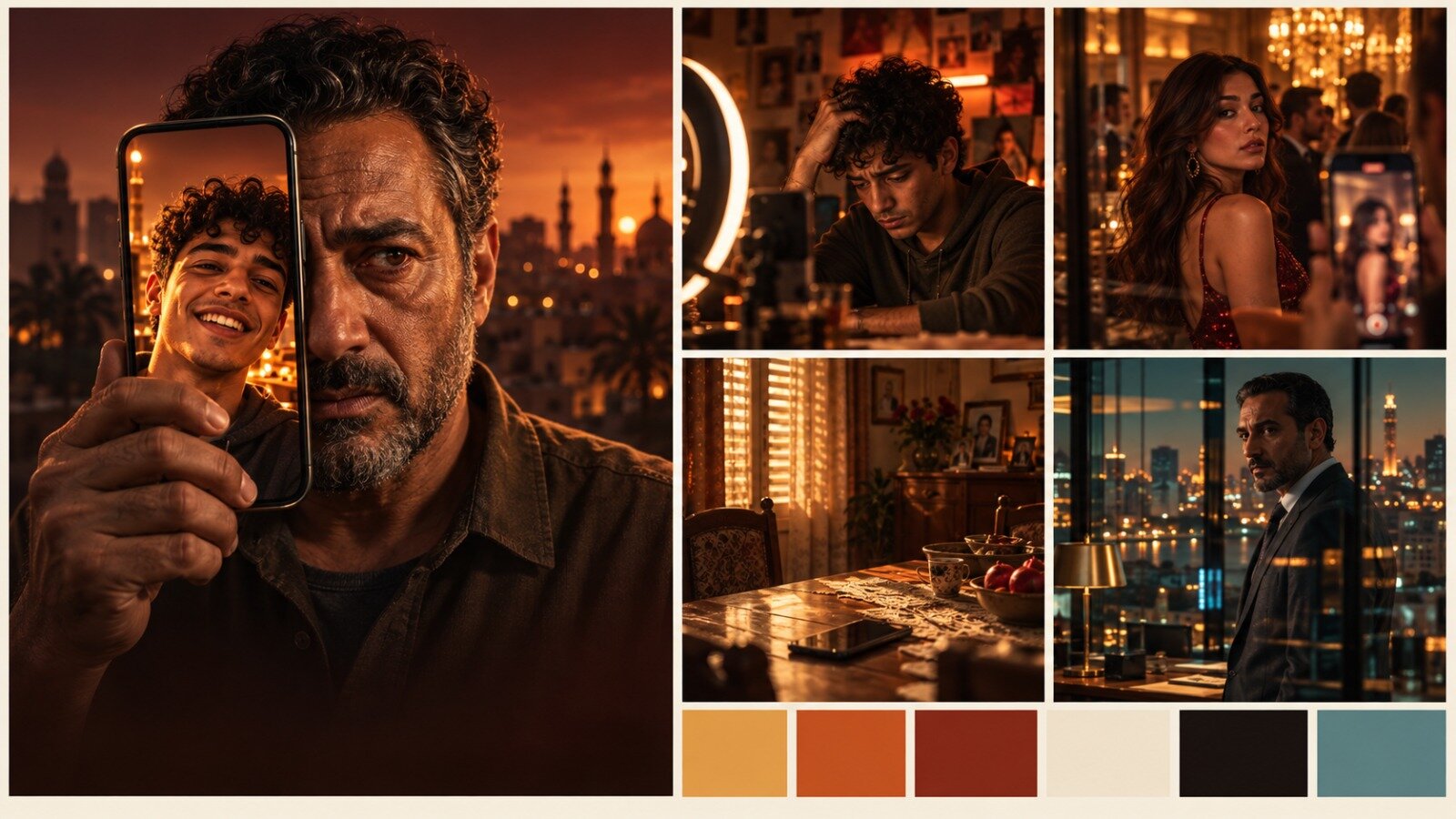
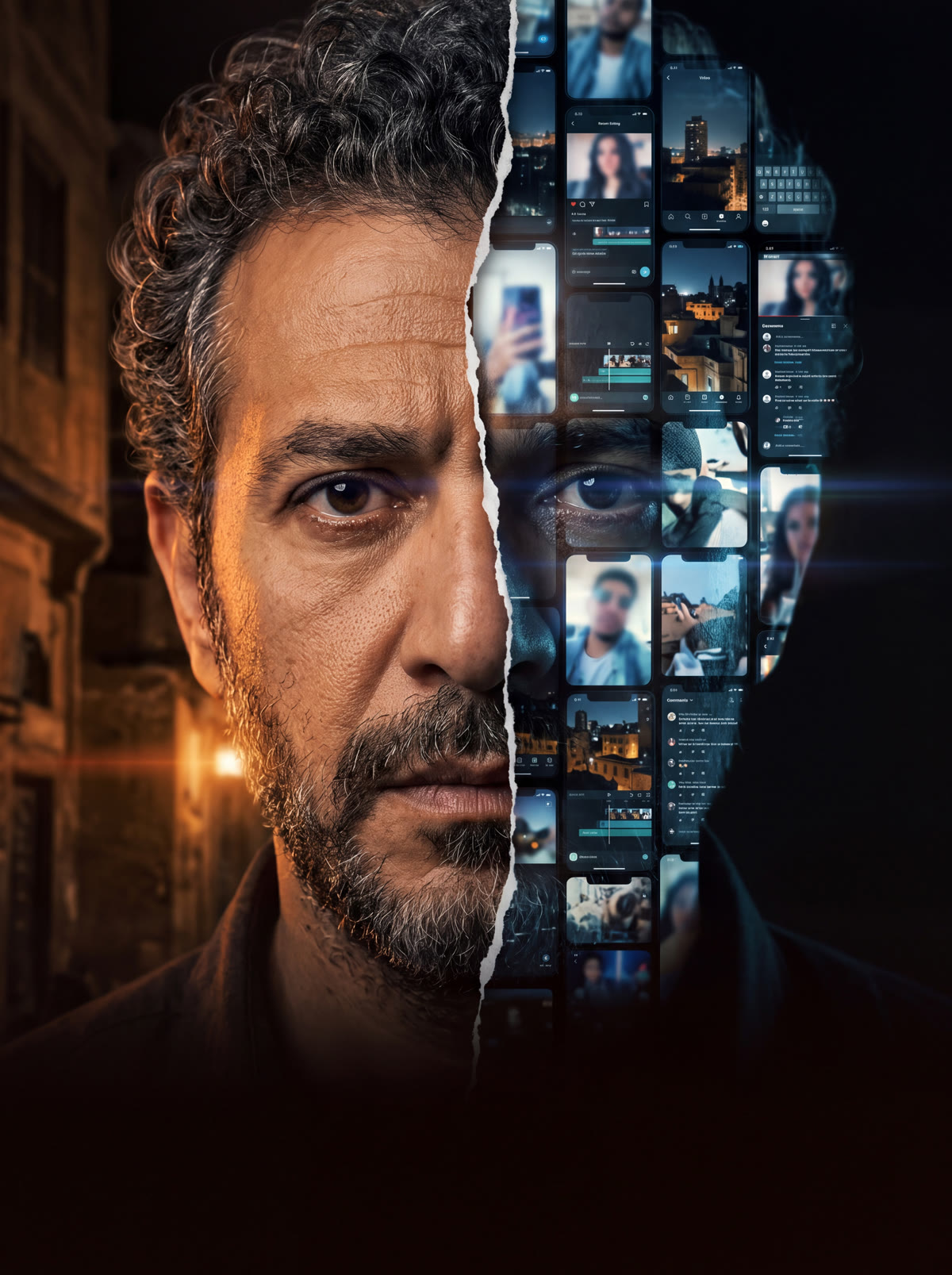
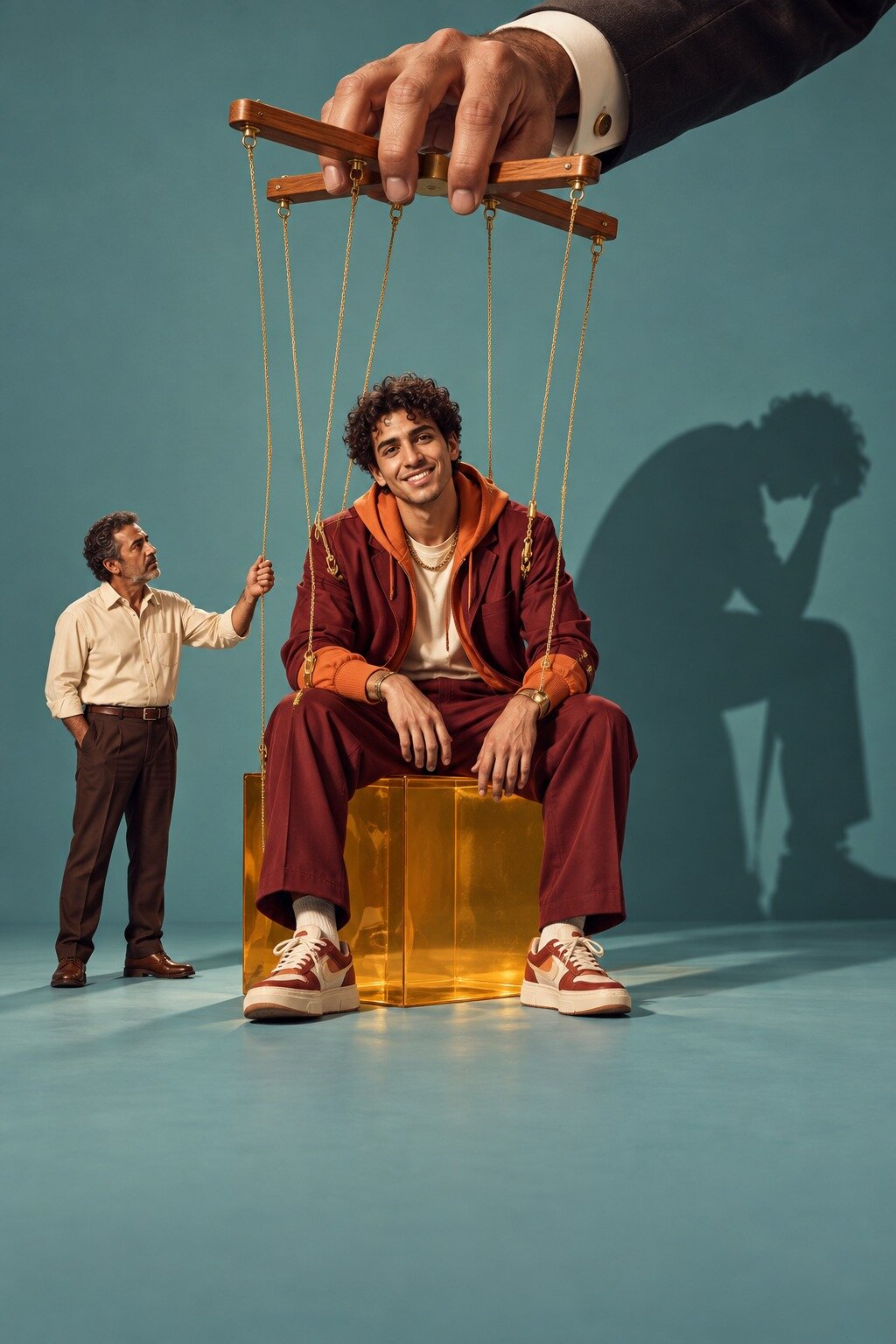
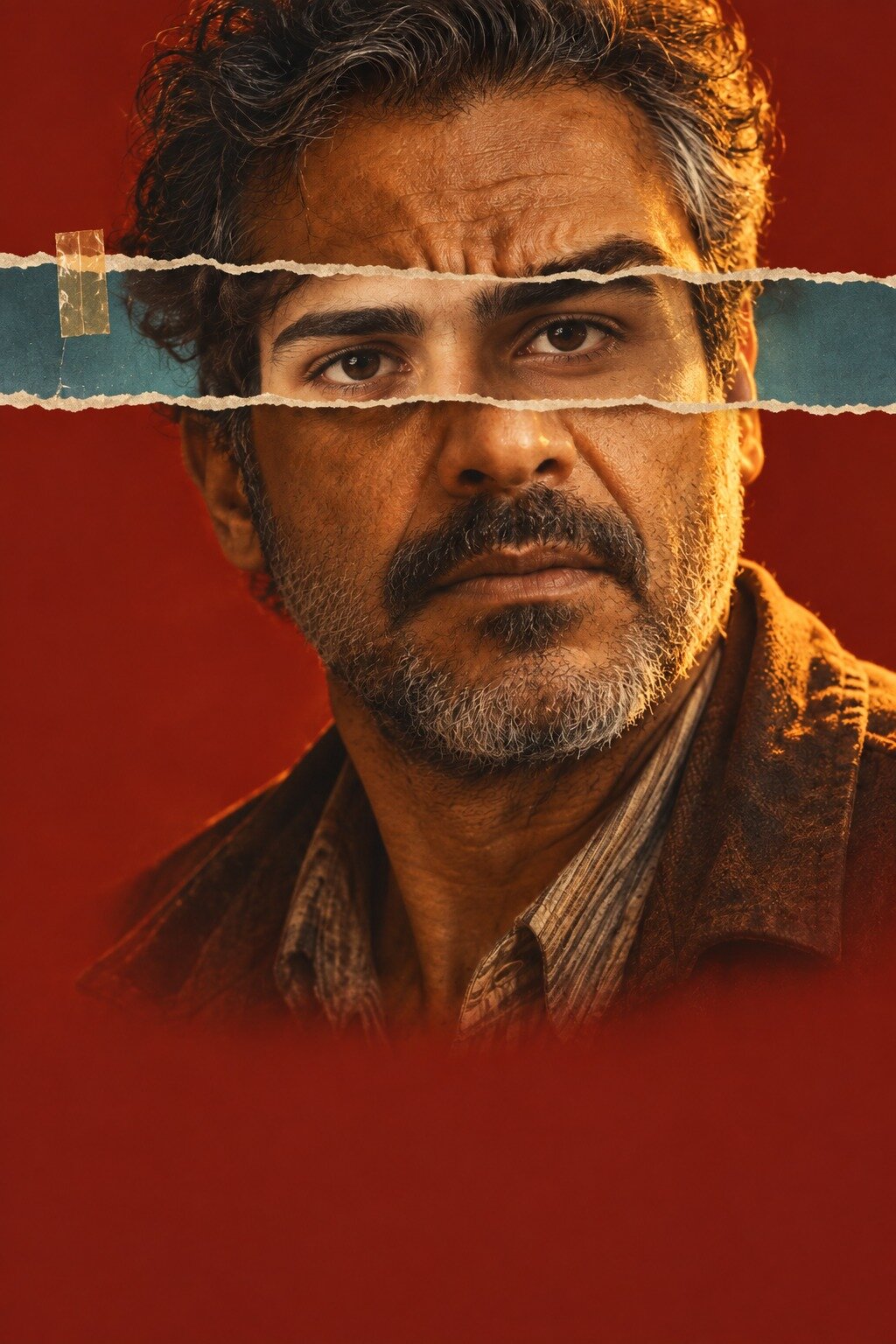
Moodboard I · posters that hide a second layer.
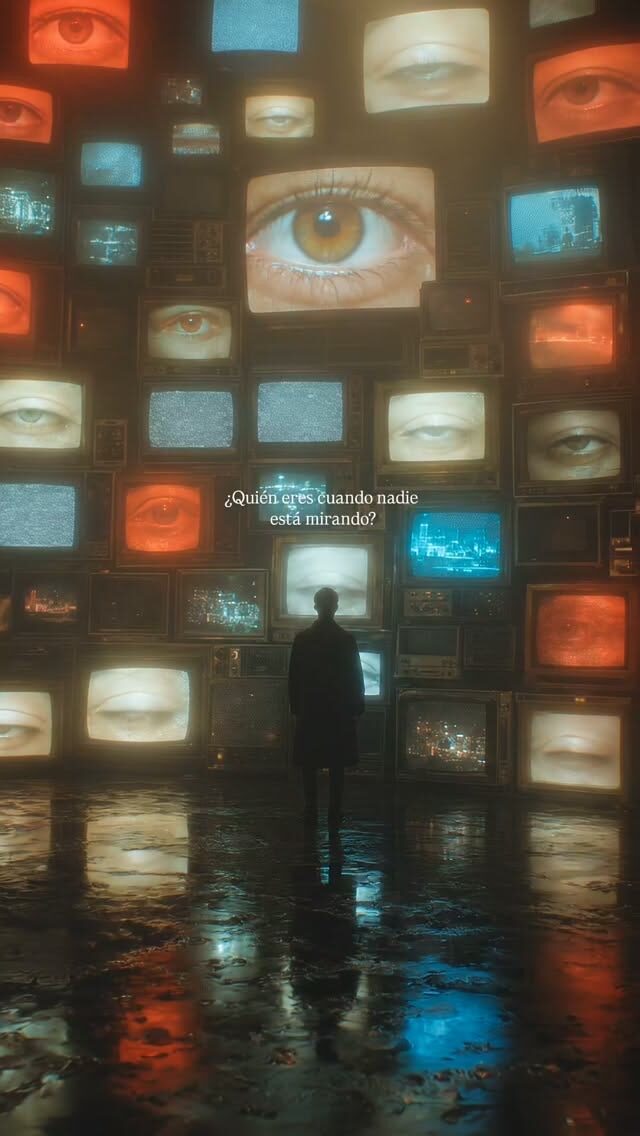
Screens over faces, a face made of windows, a hand on the strings. Every poster says: what you see is not the whole person.
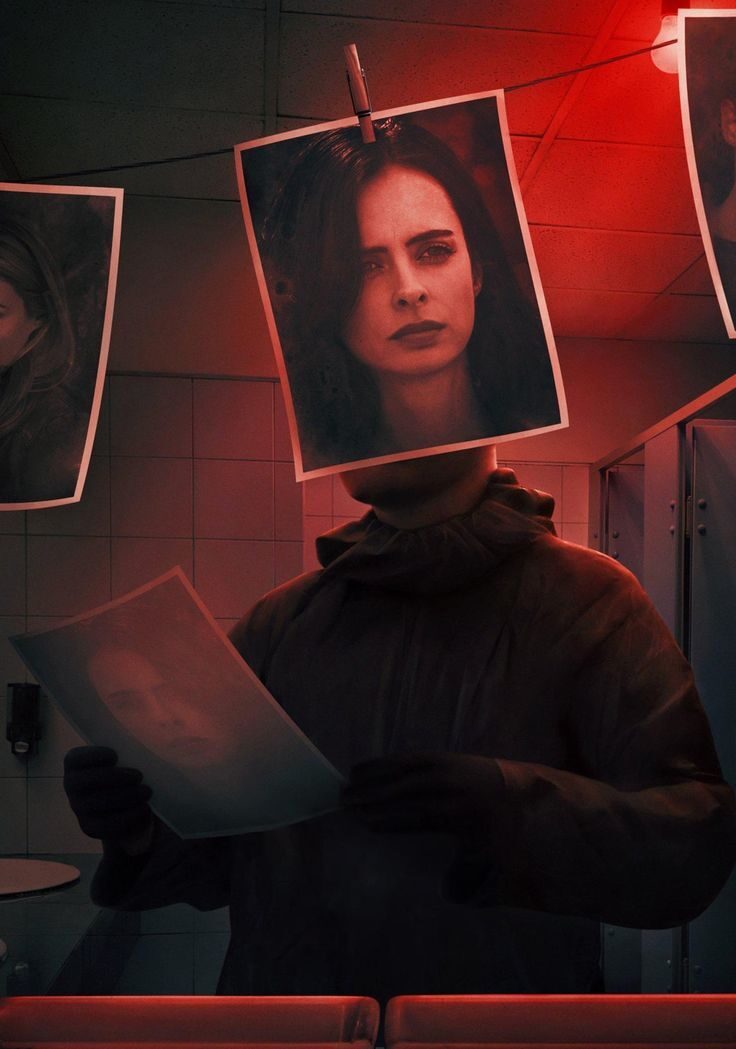
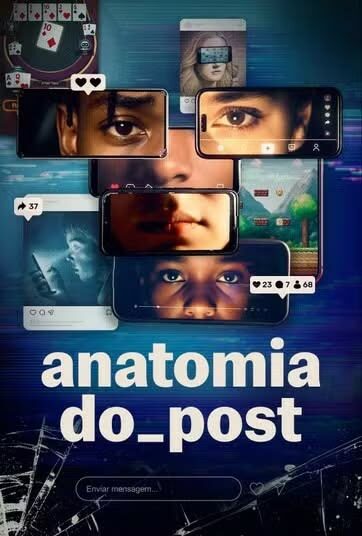
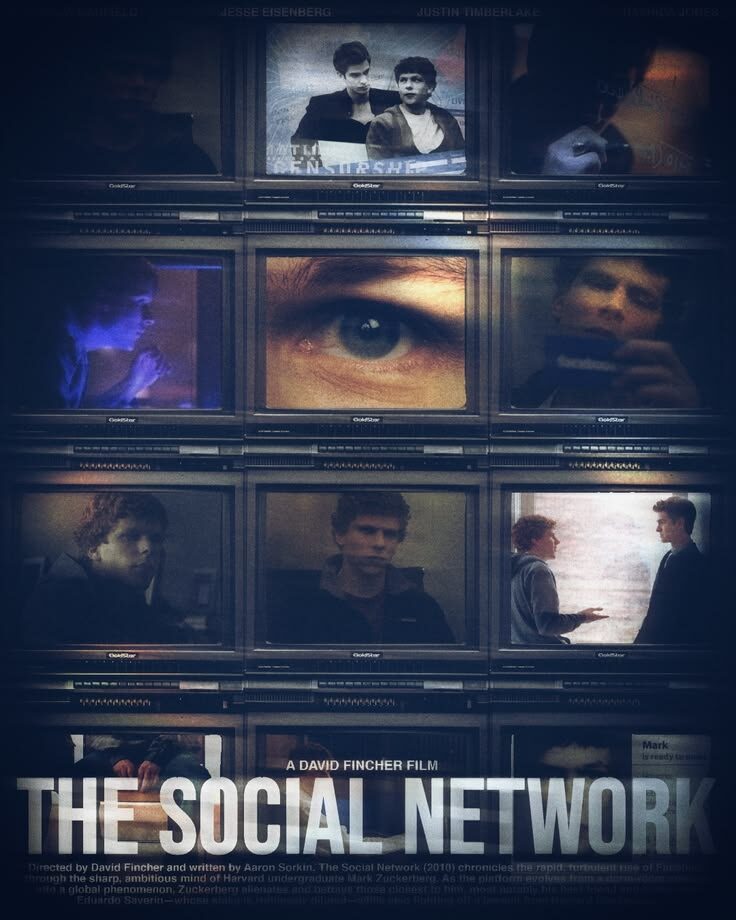
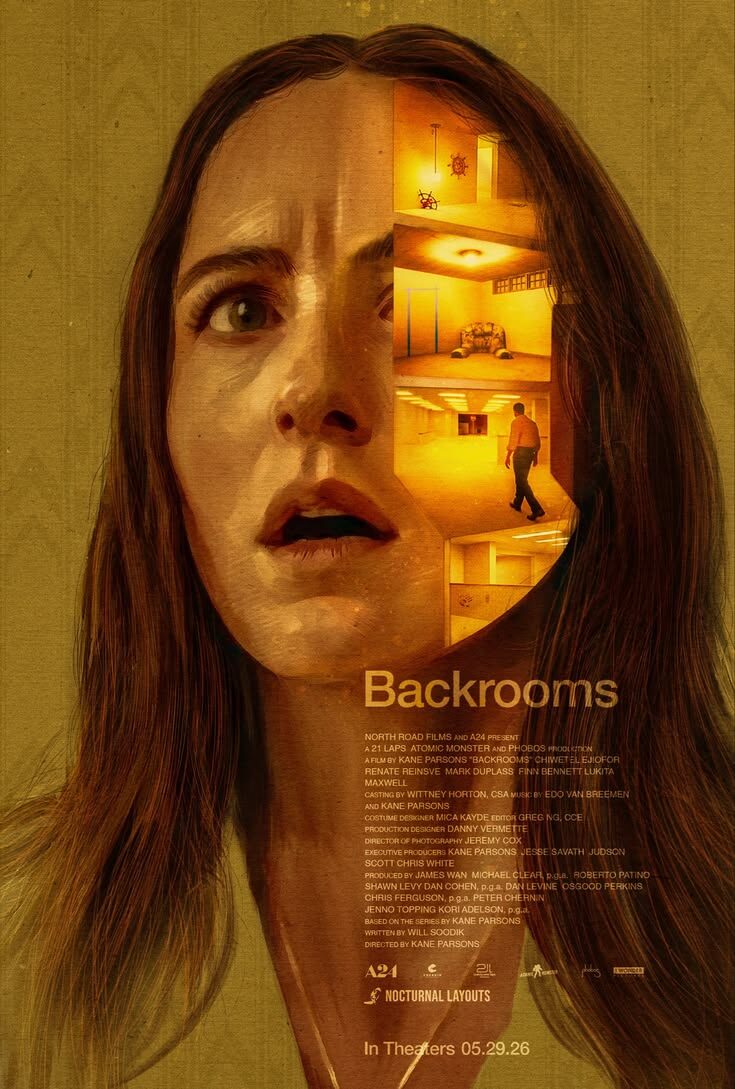
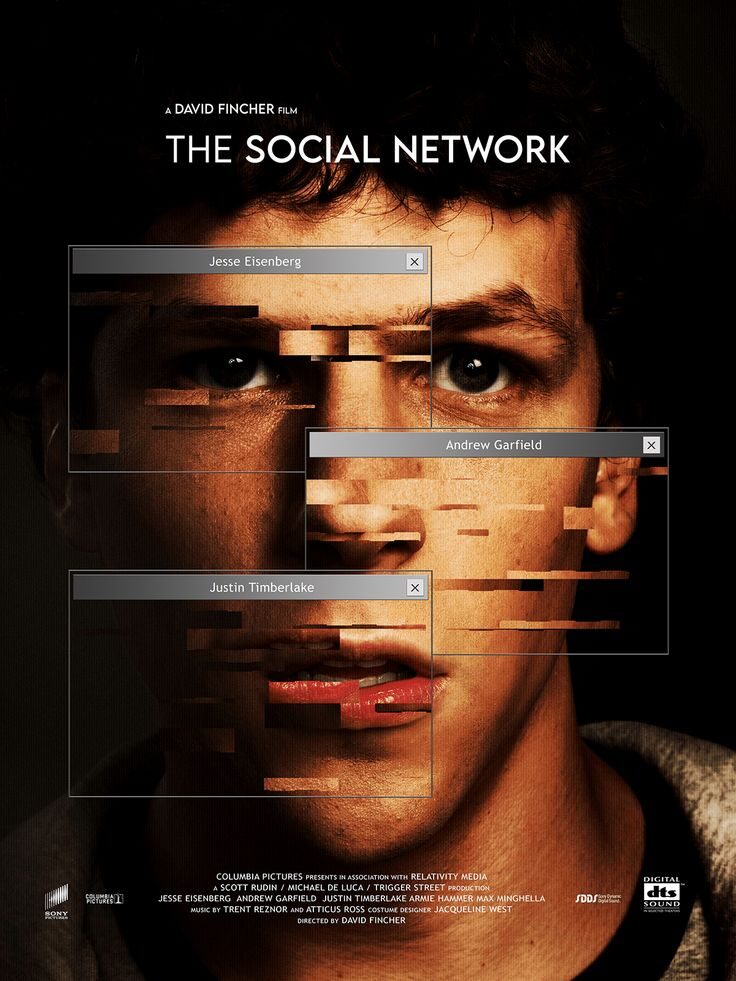
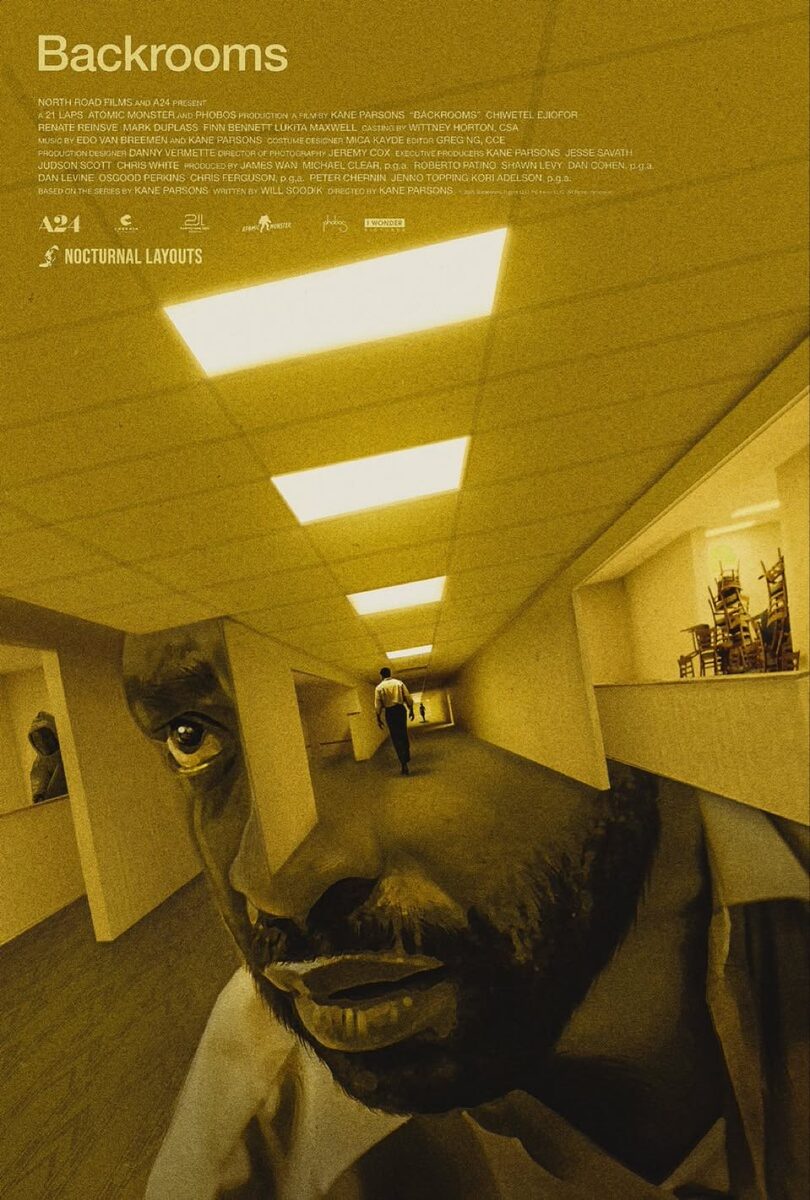
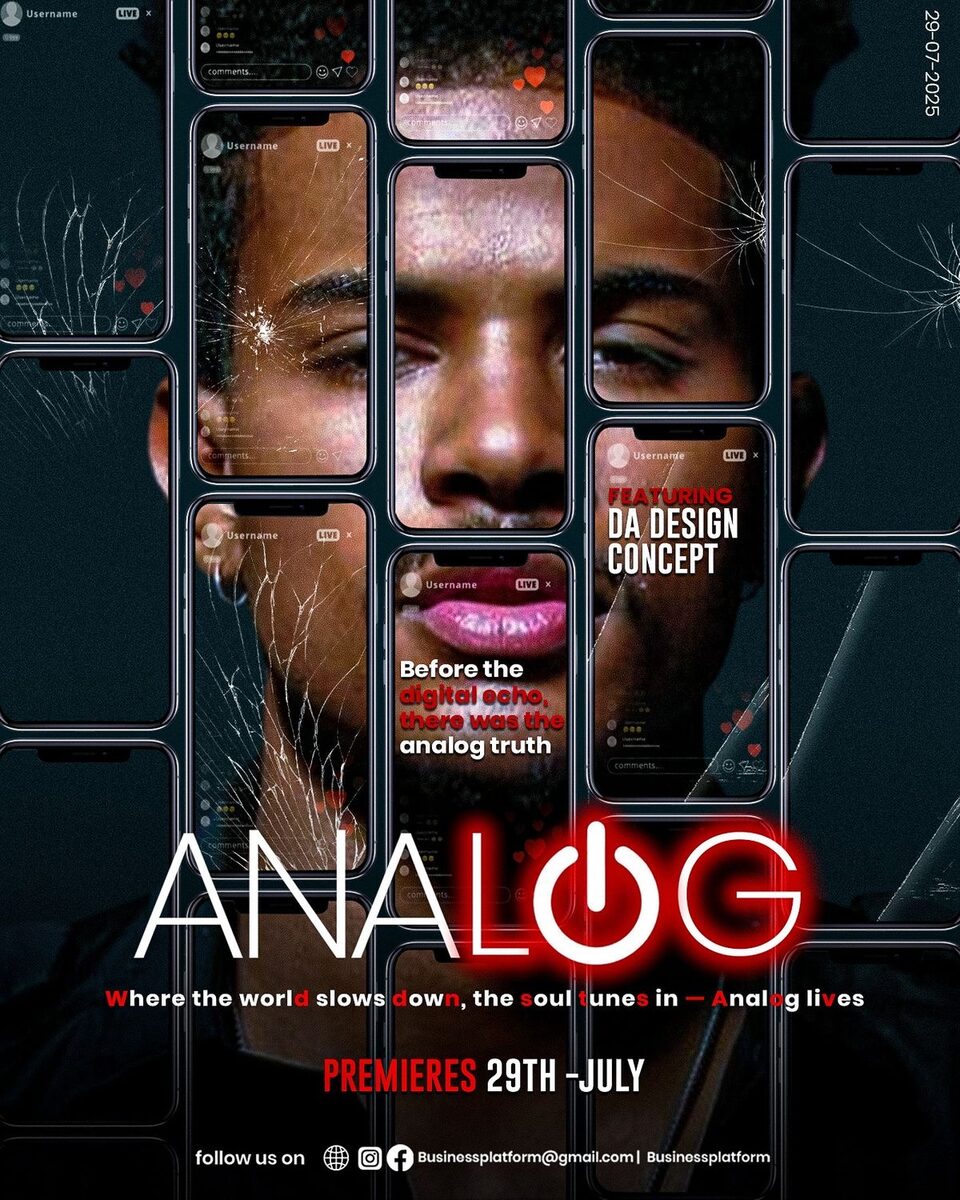
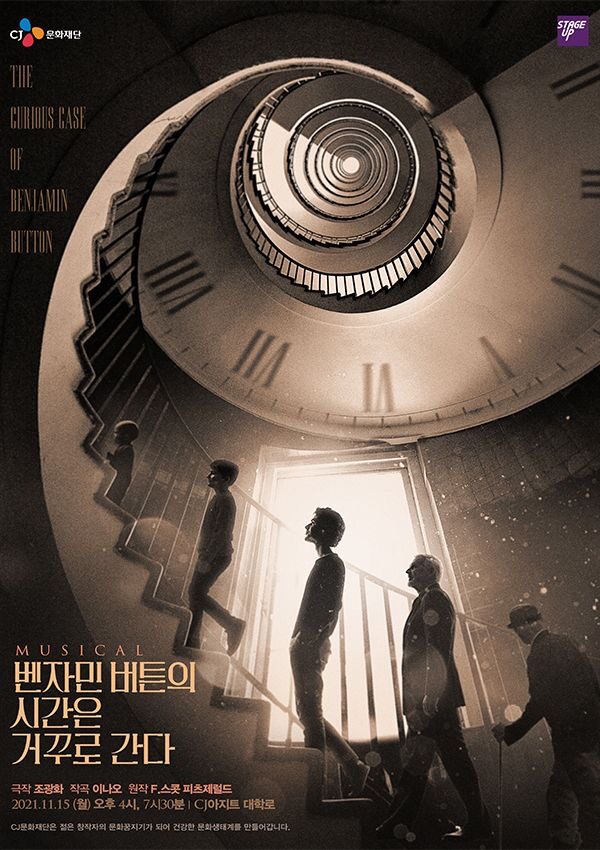
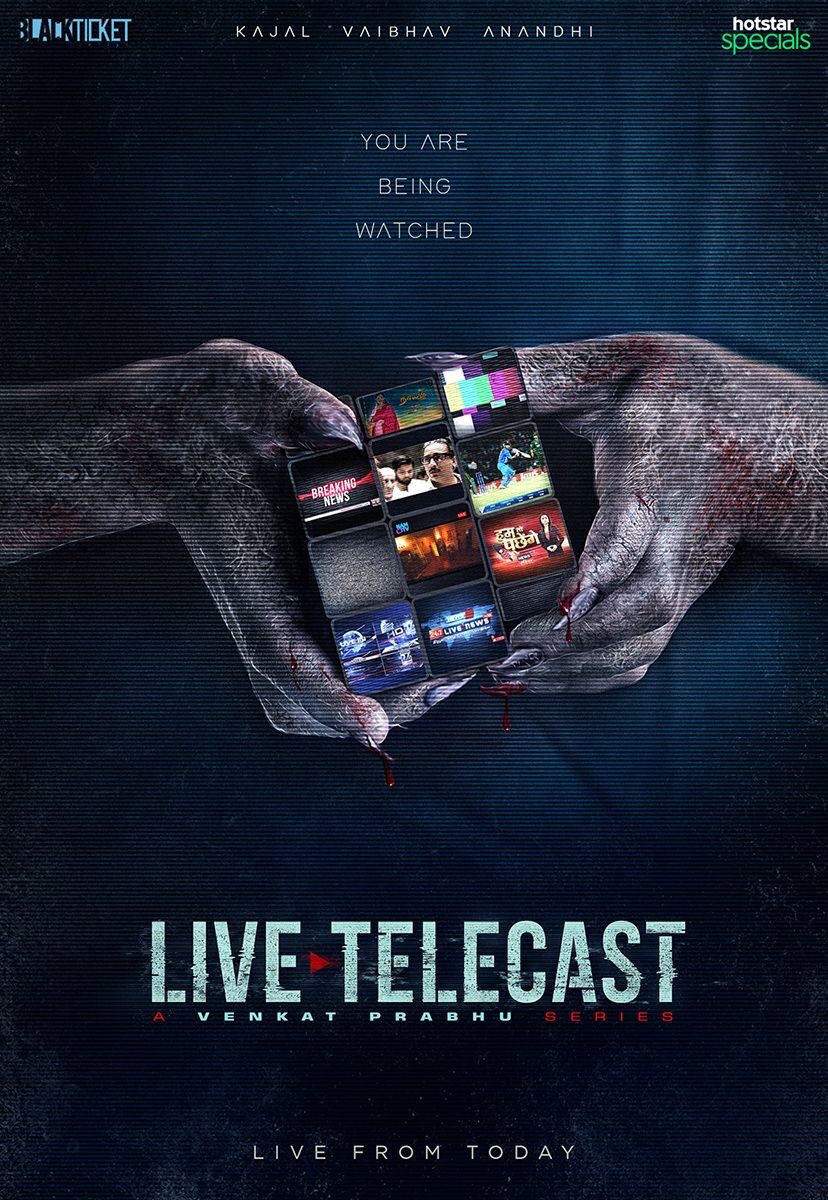
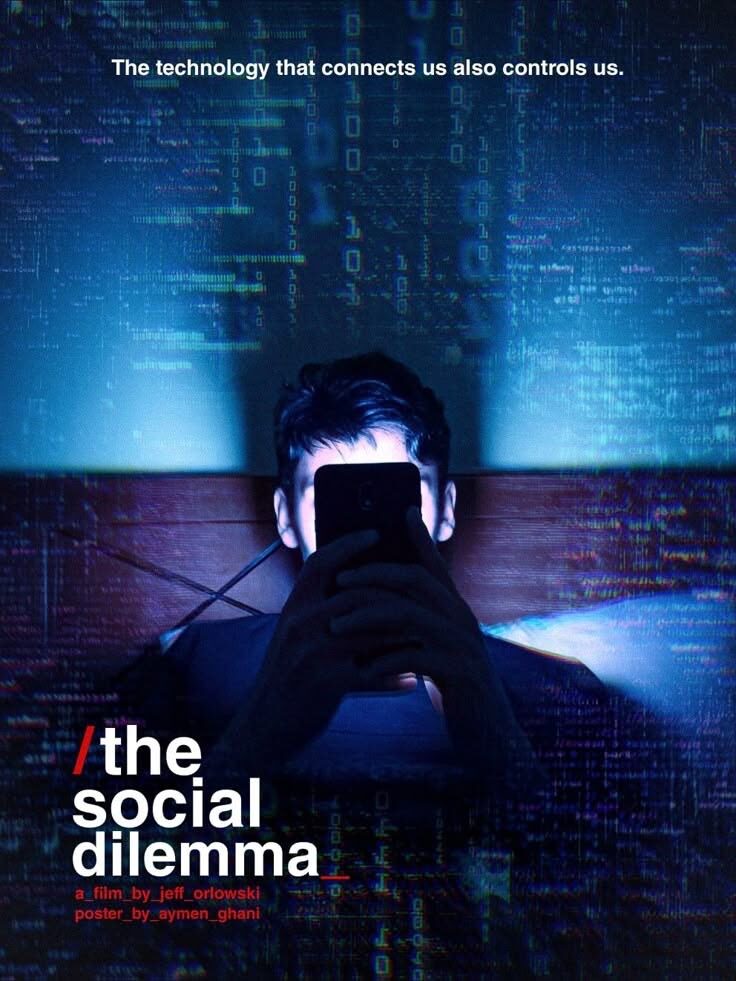
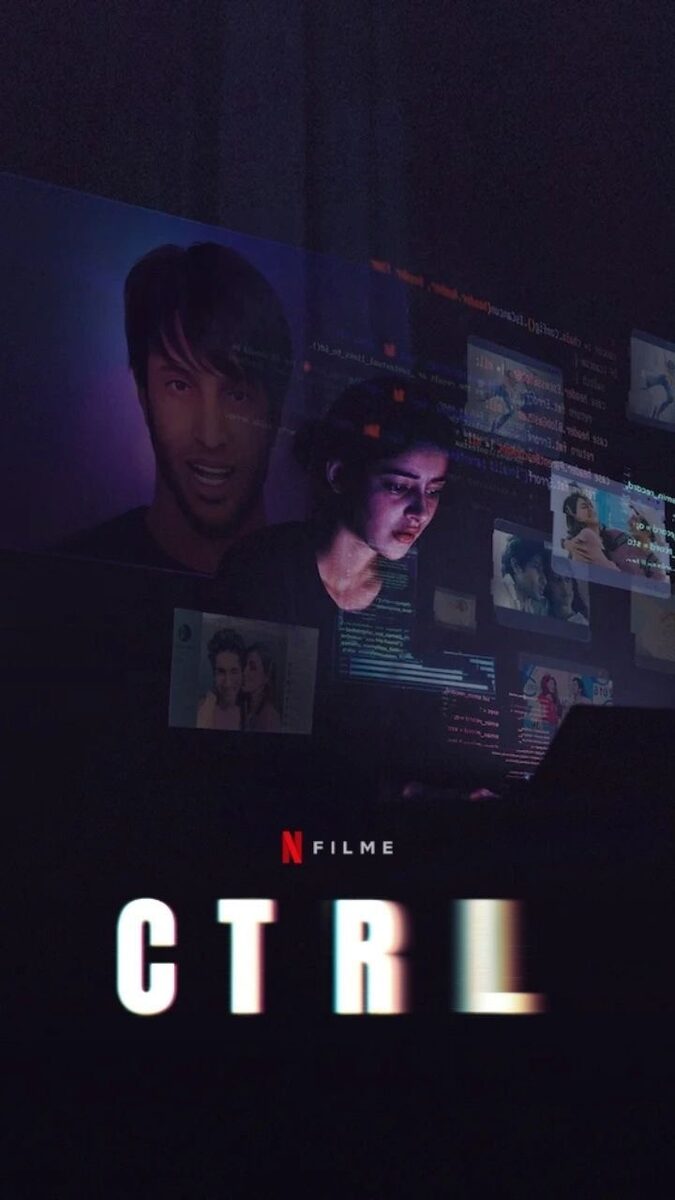
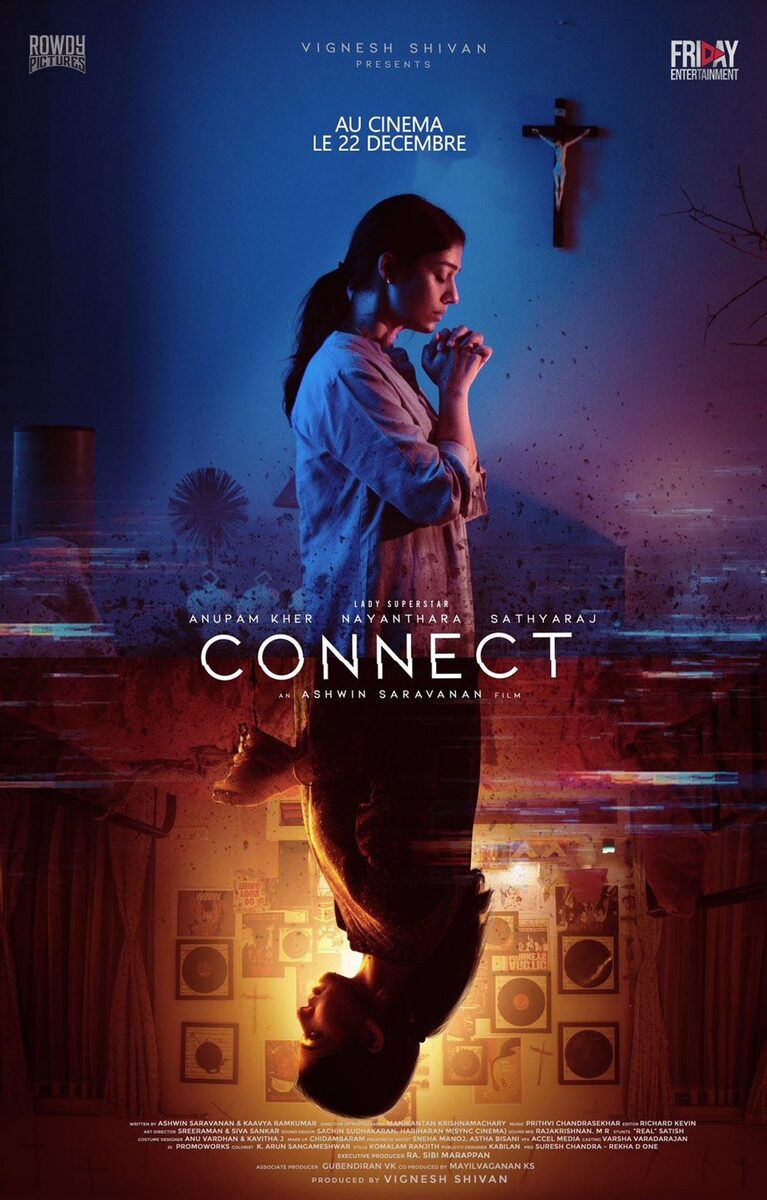
Moodboard II · the texture of the world.
Phones up, flashes, a wall of screens, a string board of evidence. Real texture, practical light, the crowd as a character.
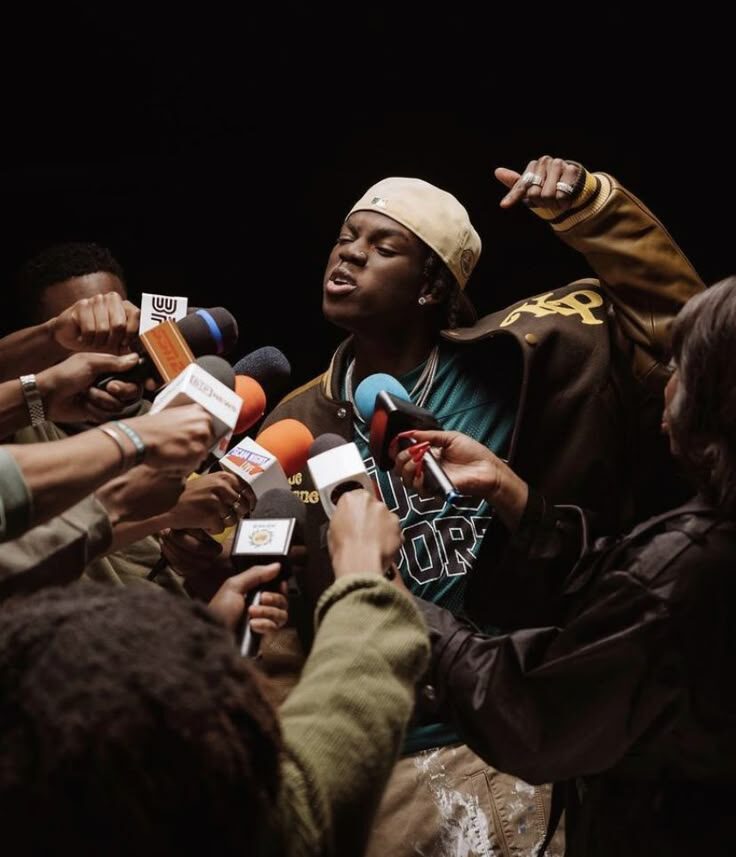
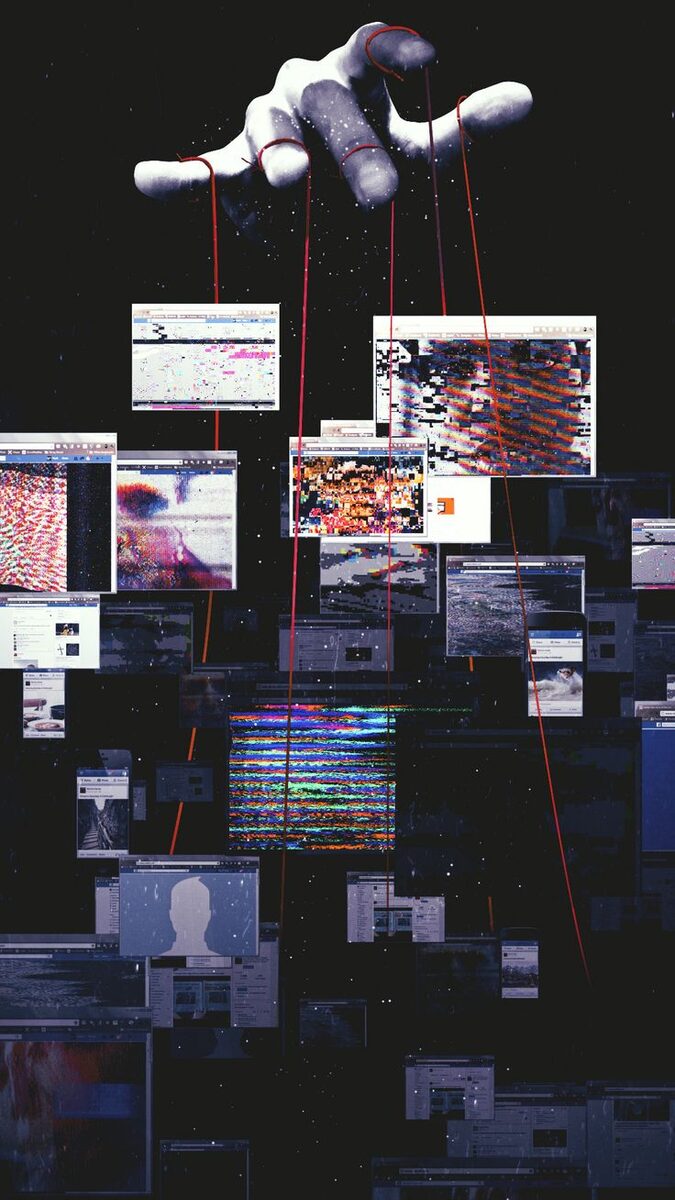
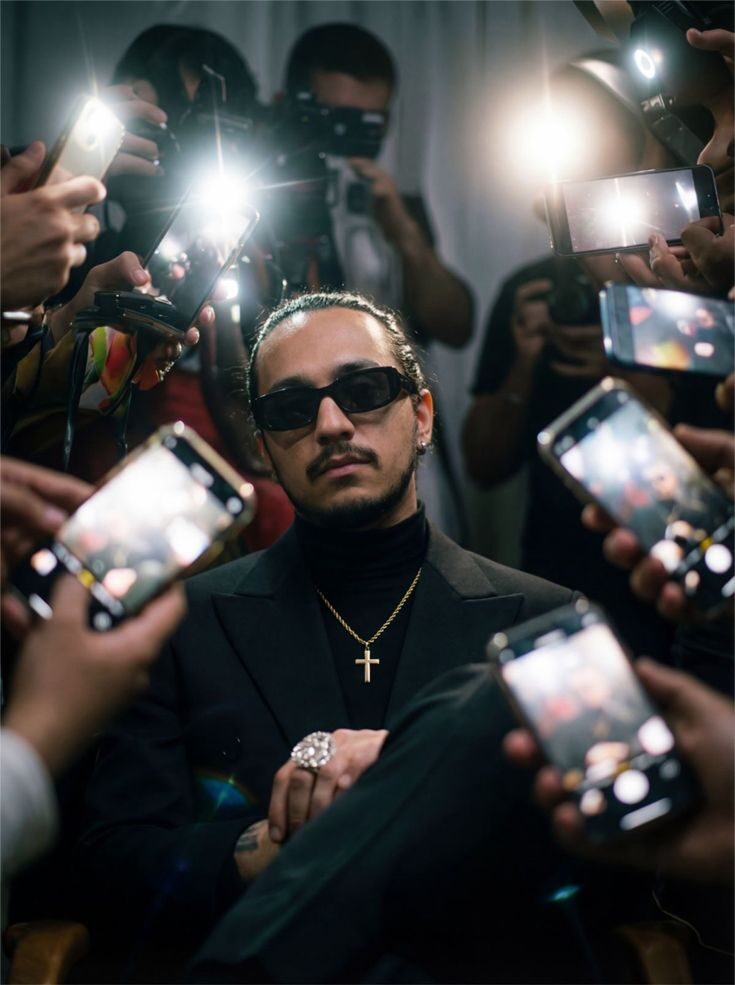
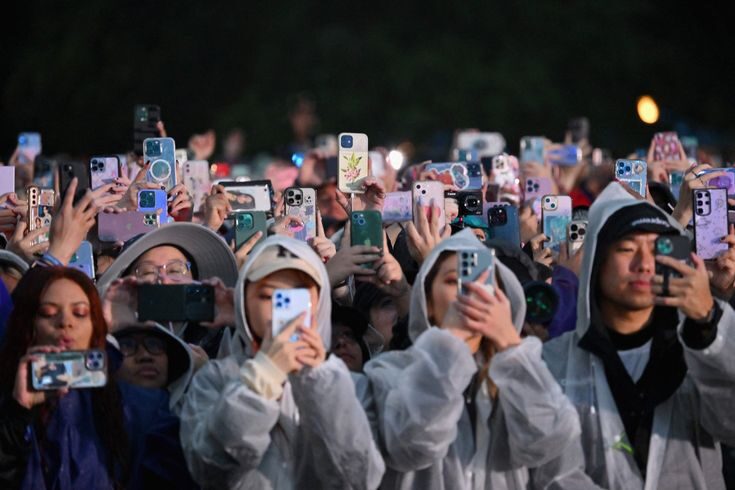
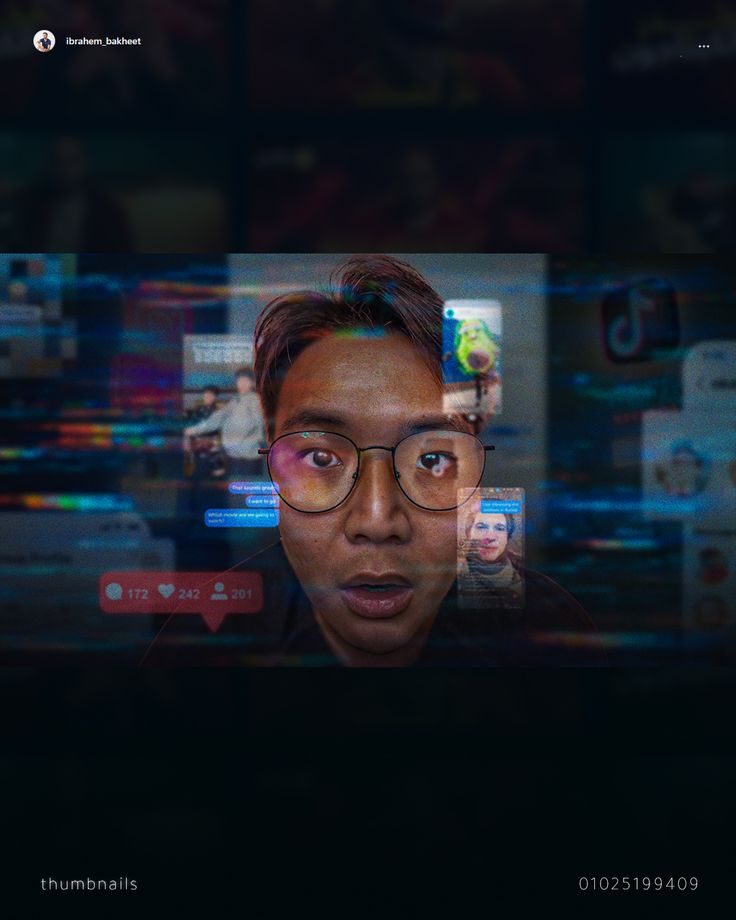
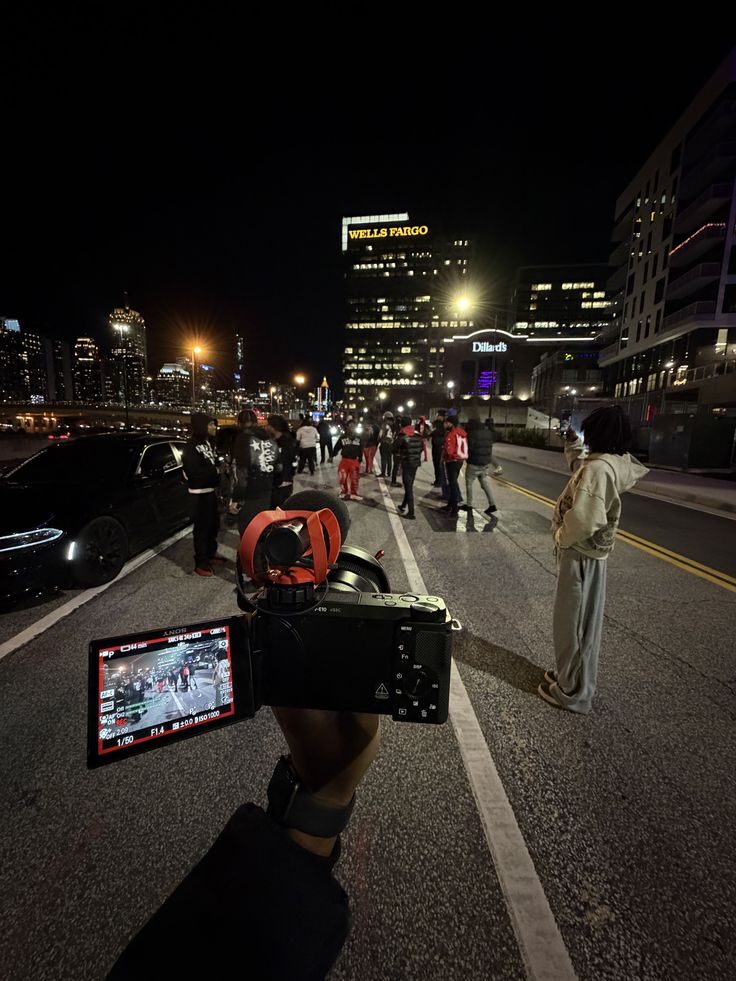
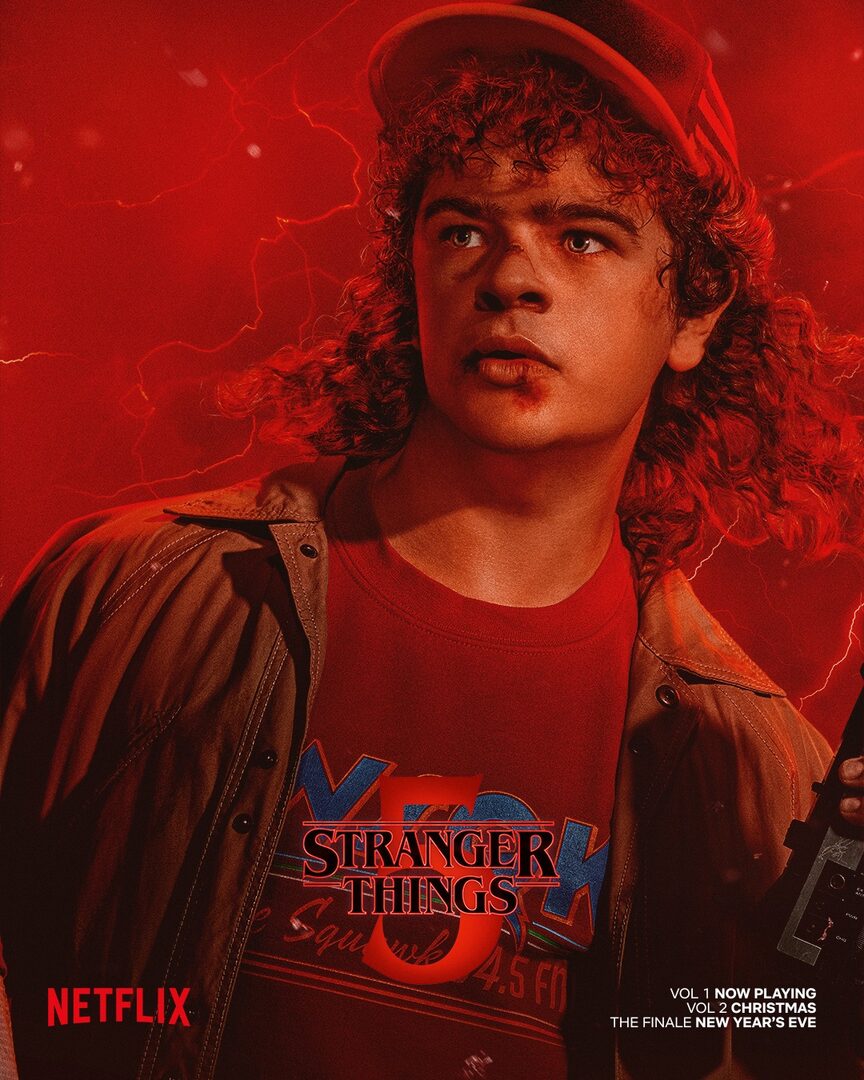
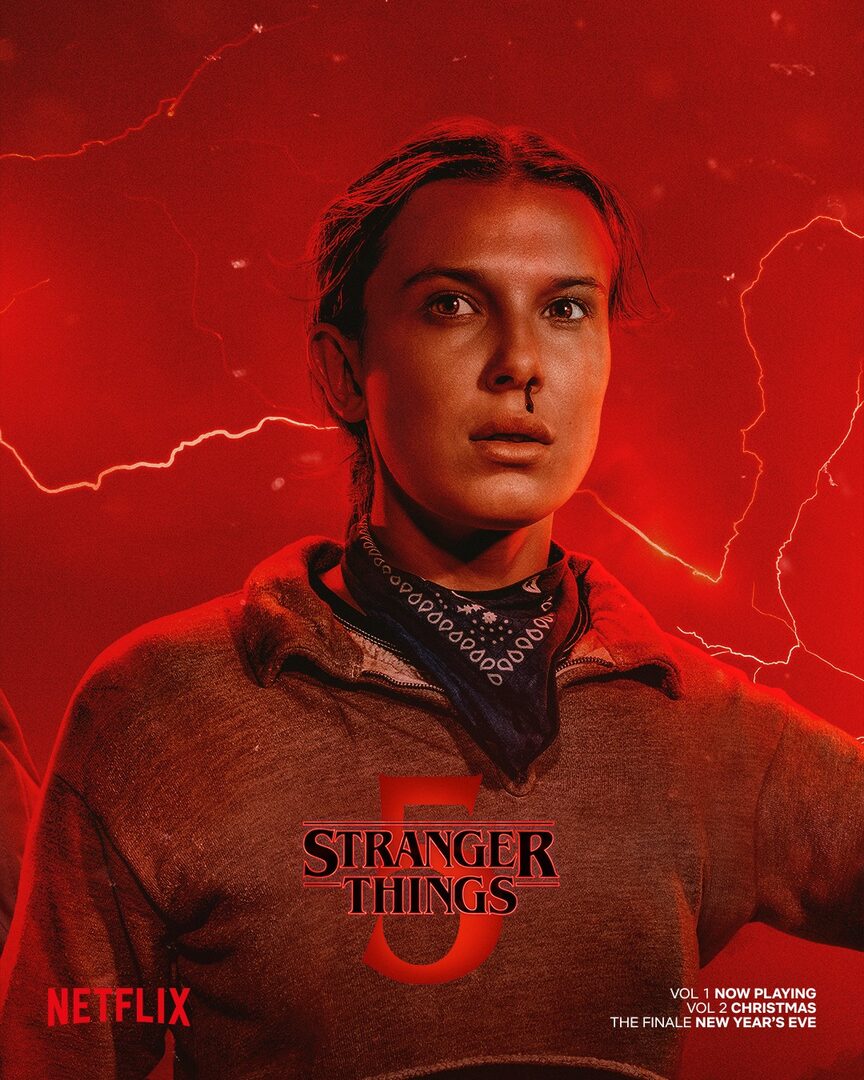
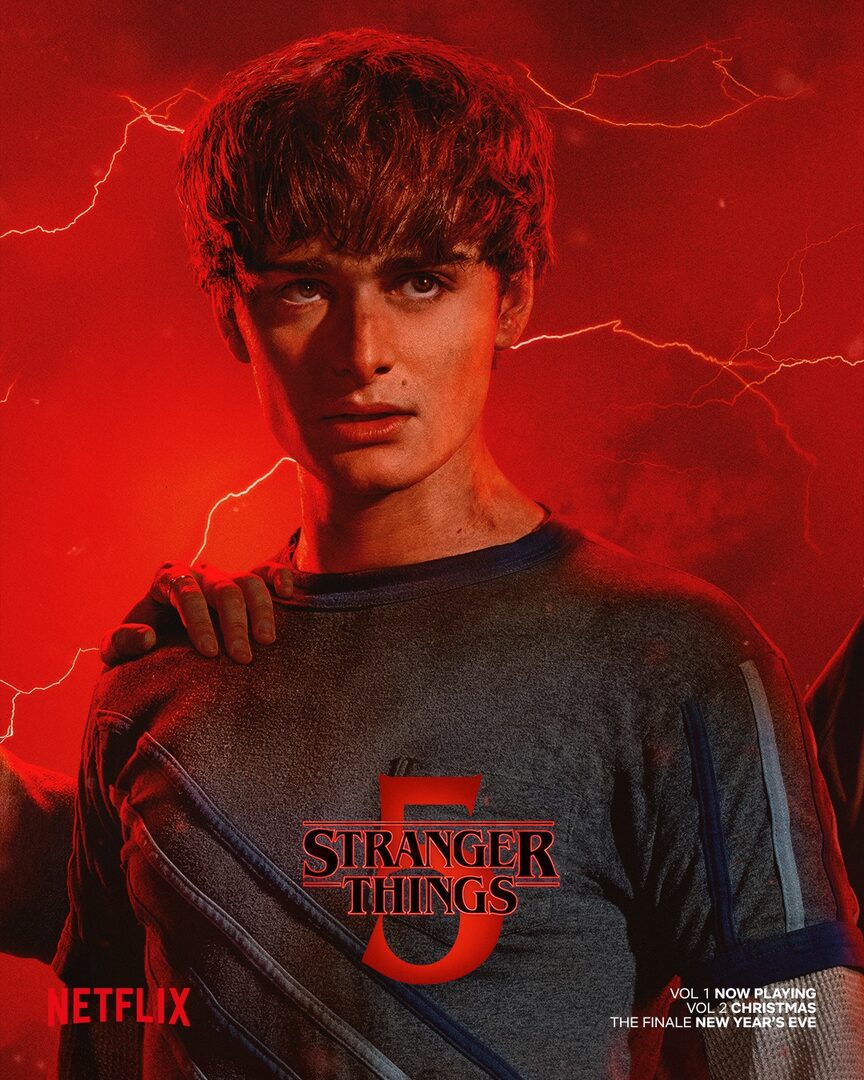
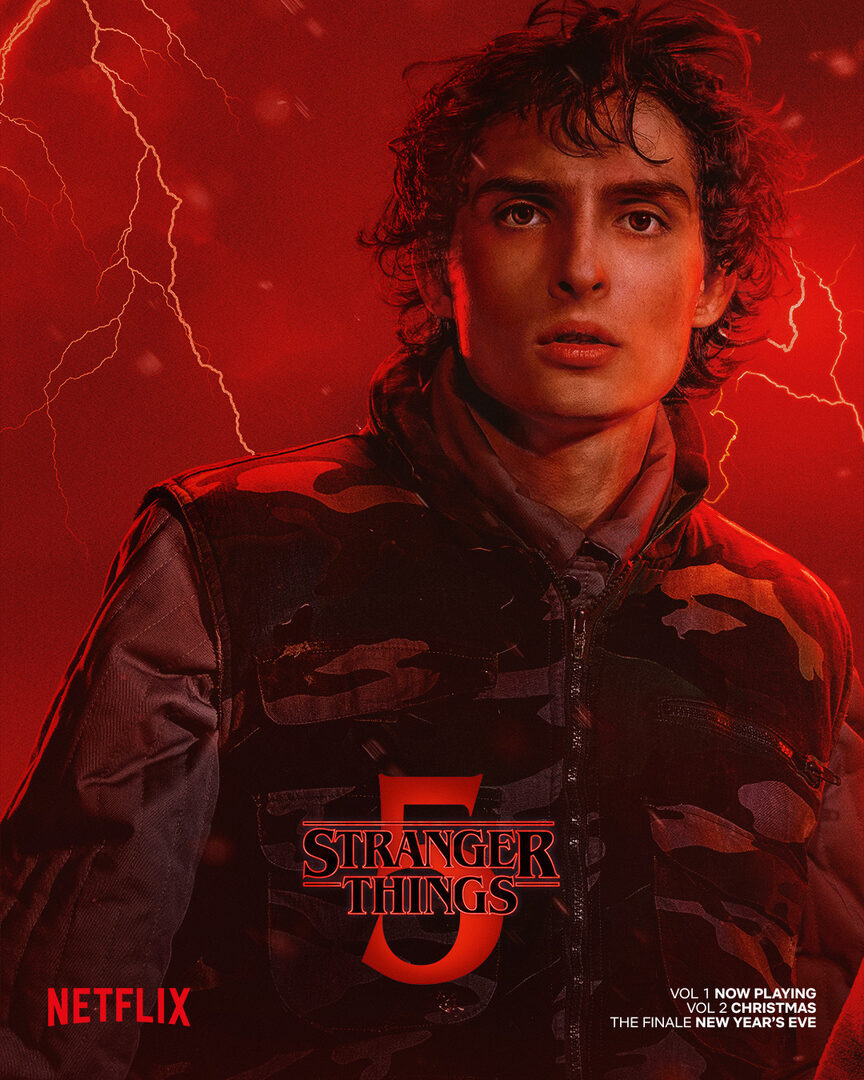
Stranger Things · one world, one rule.
Why them: the strongest example of a series whose visual system is the brand — one colour, one type, one gesture, and every piece obeys it.
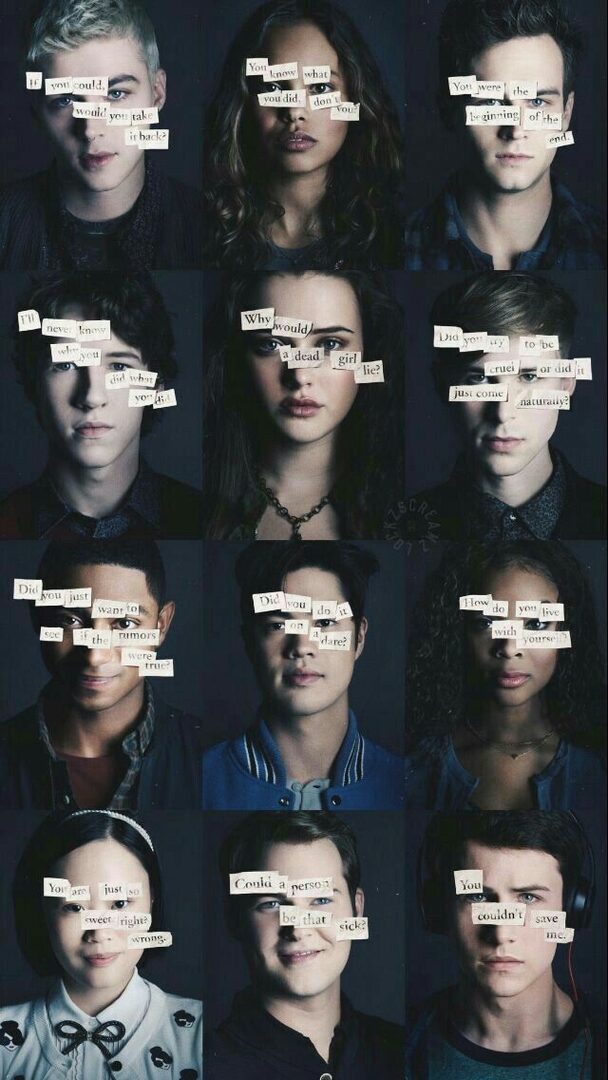
13 Reasons Why · the label.
Why them: the closest series to ours in subject — teenagers, parents, and a death nobody understood. Every character carries the words other people wrote on them.
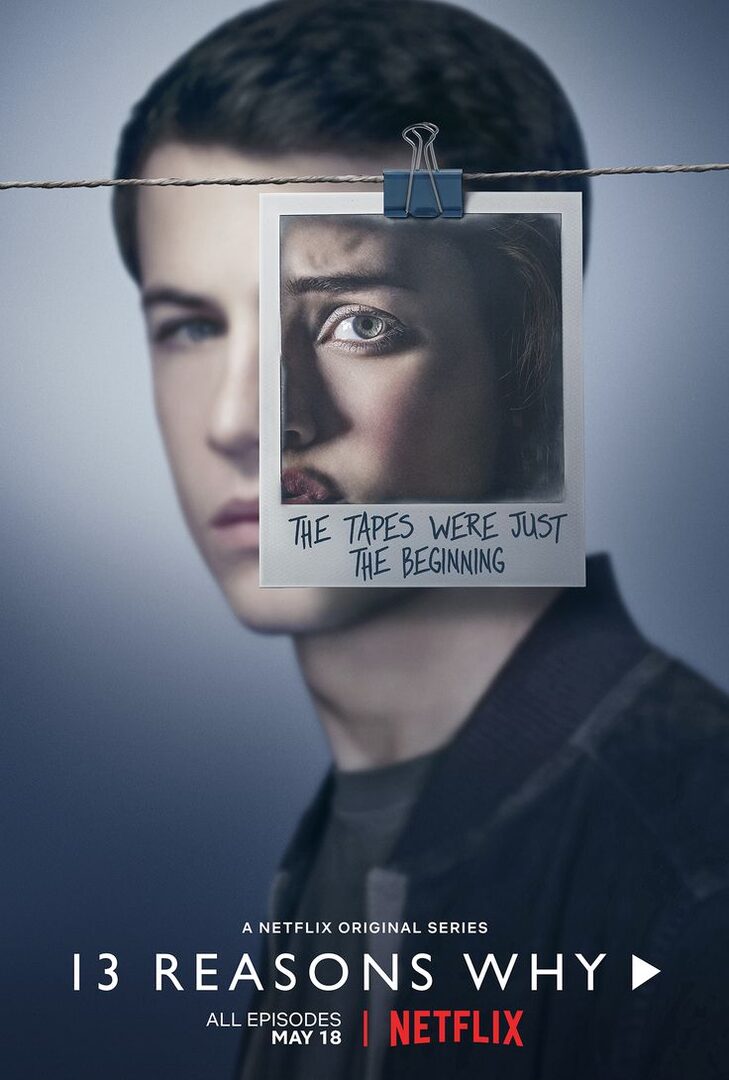
13 Reasons Why · posters that live as stories.
Why them: the polaroid covers half the face, and the posters are published as Instagram stories, one character per post — the format is the platform.
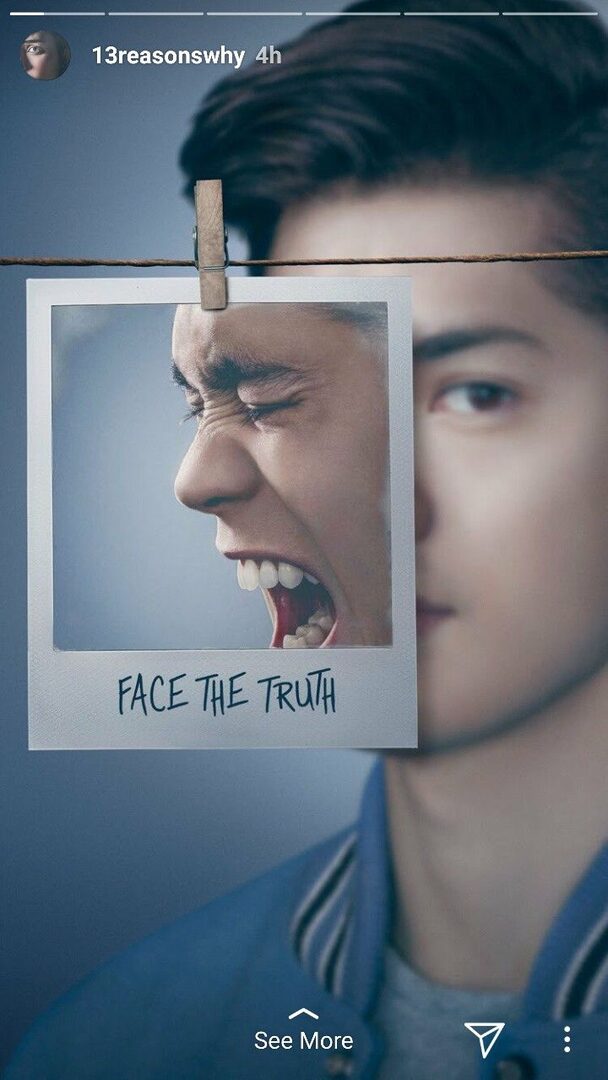
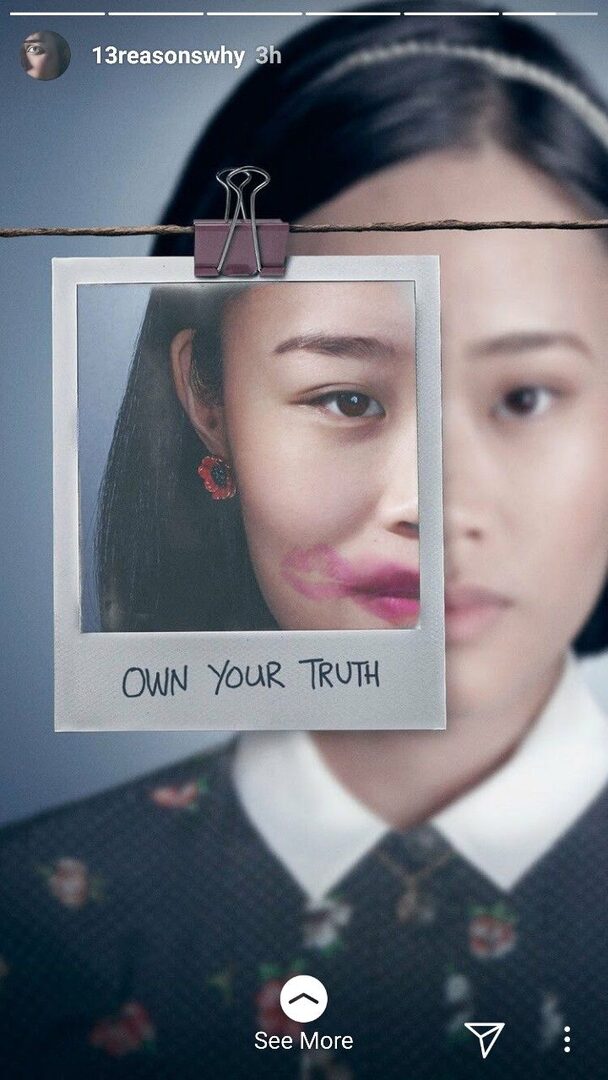
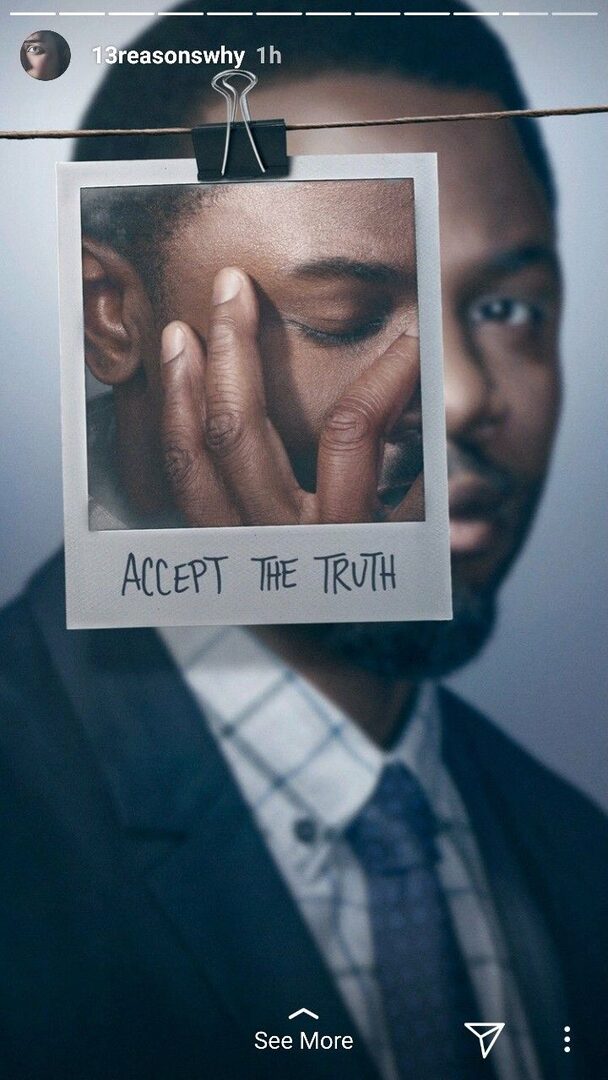
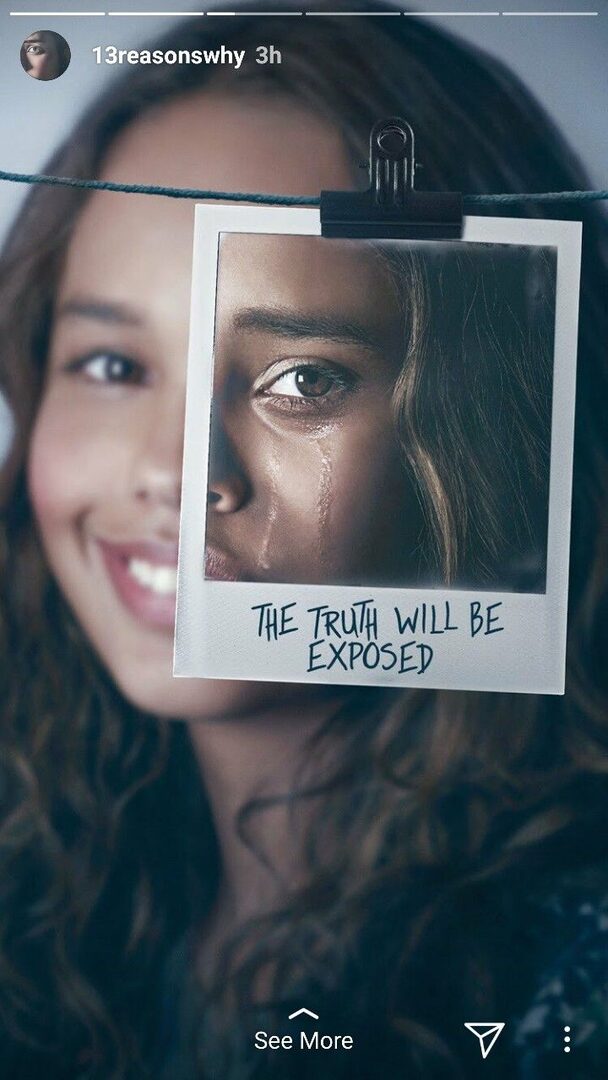
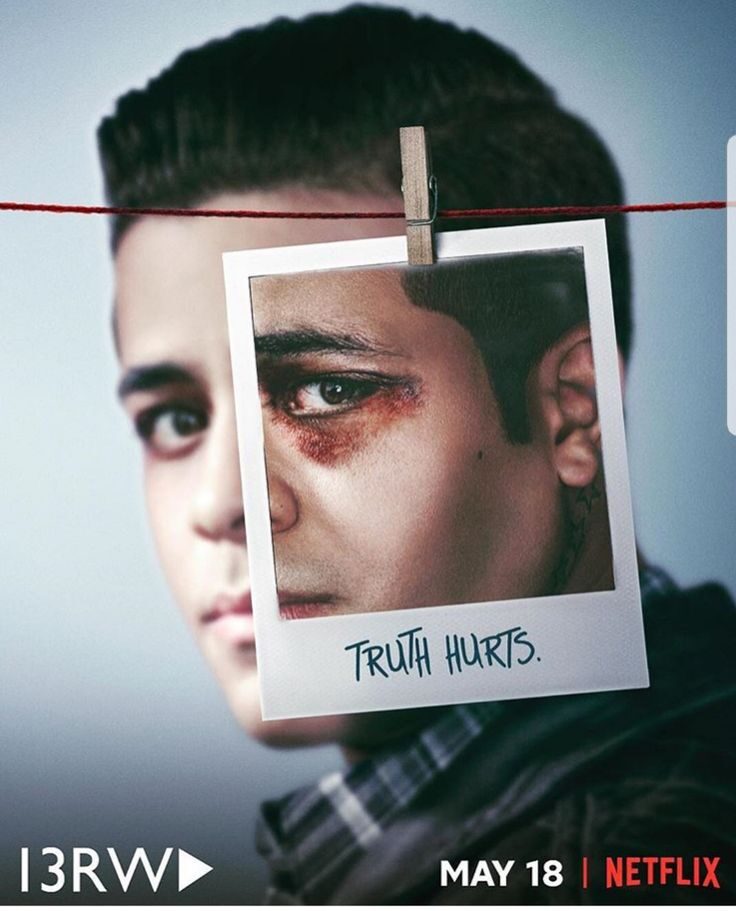
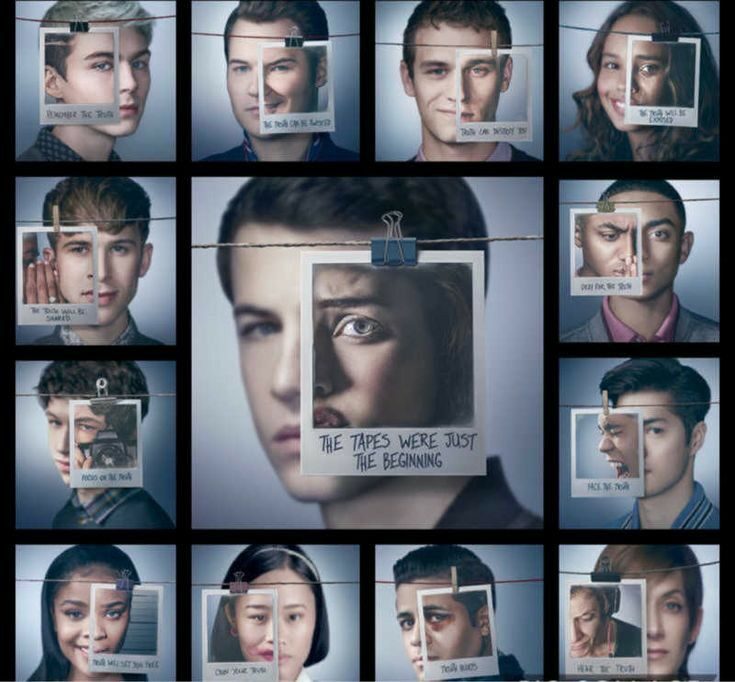
13 Reasons Why · the truth under the tear.
Why them: season 3 turned the mystery into a torn newspaper headline across the mouth — the press as a character. This is where our character posters come from.
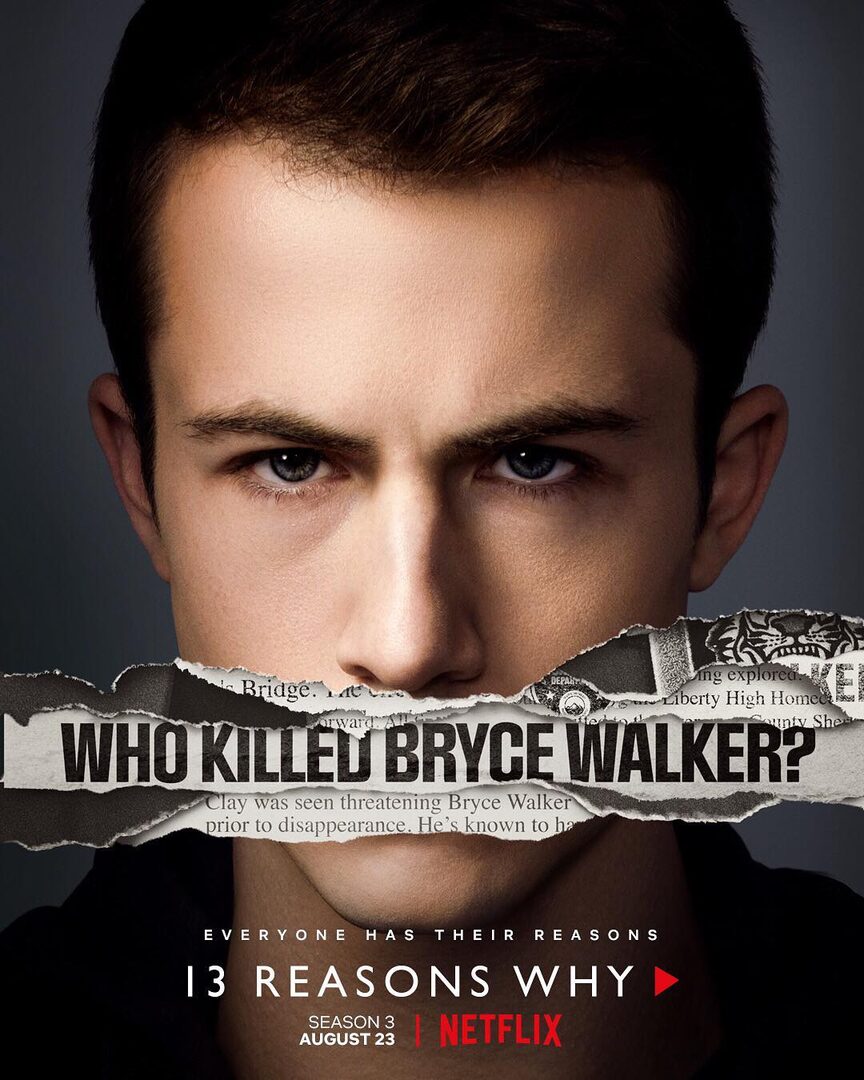
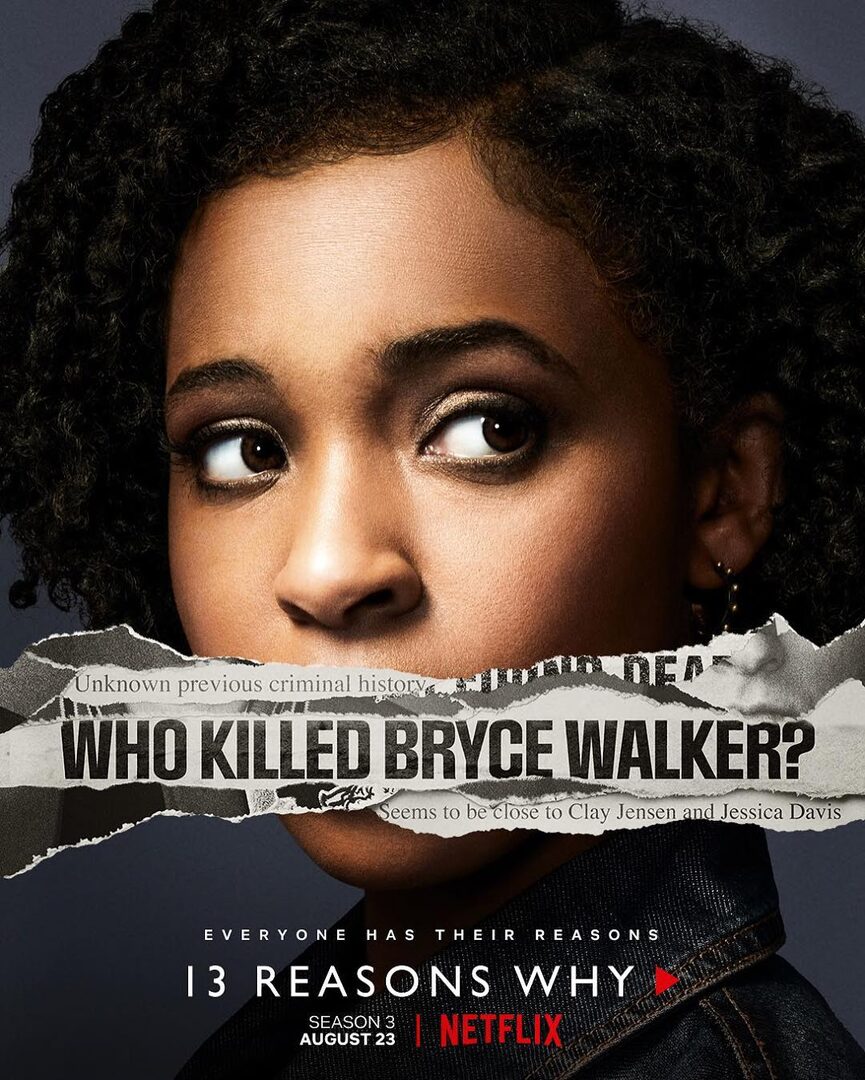
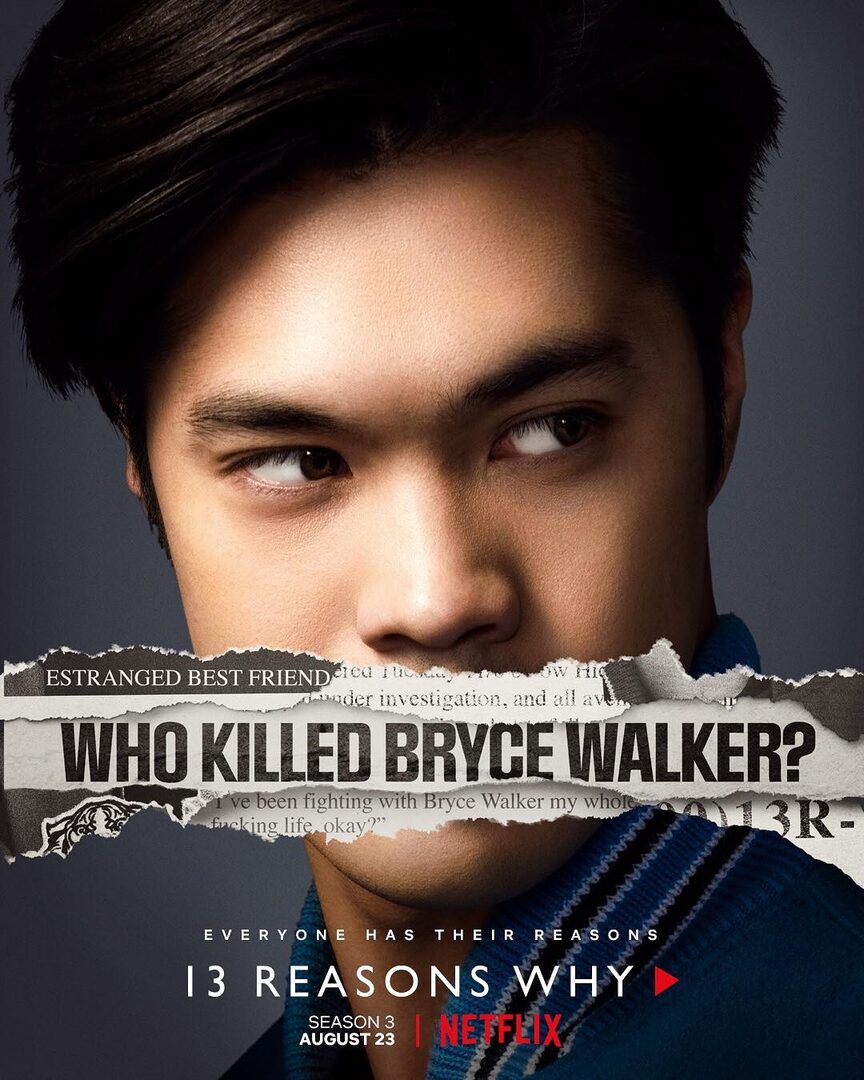
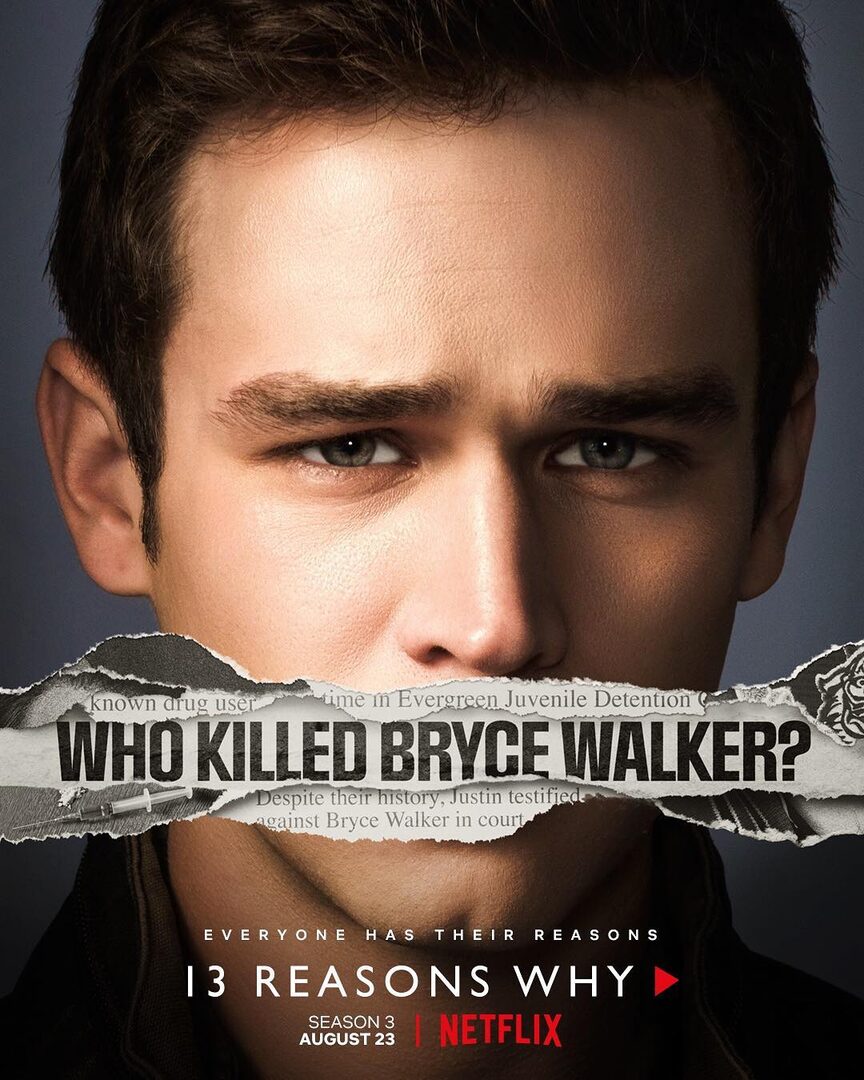
Parents see themselves in the father. Gen Z sees itself in the son.
The Observer
Parents and the older generation. On Facebook and Instagram, far from TikTok. Learning to read a world their kids were born in.
- Hookكان عايش معاه ومايعرفوش
- PlatformFacebook · Instagram
- RoleQuestions what's viral, meets the contradiction
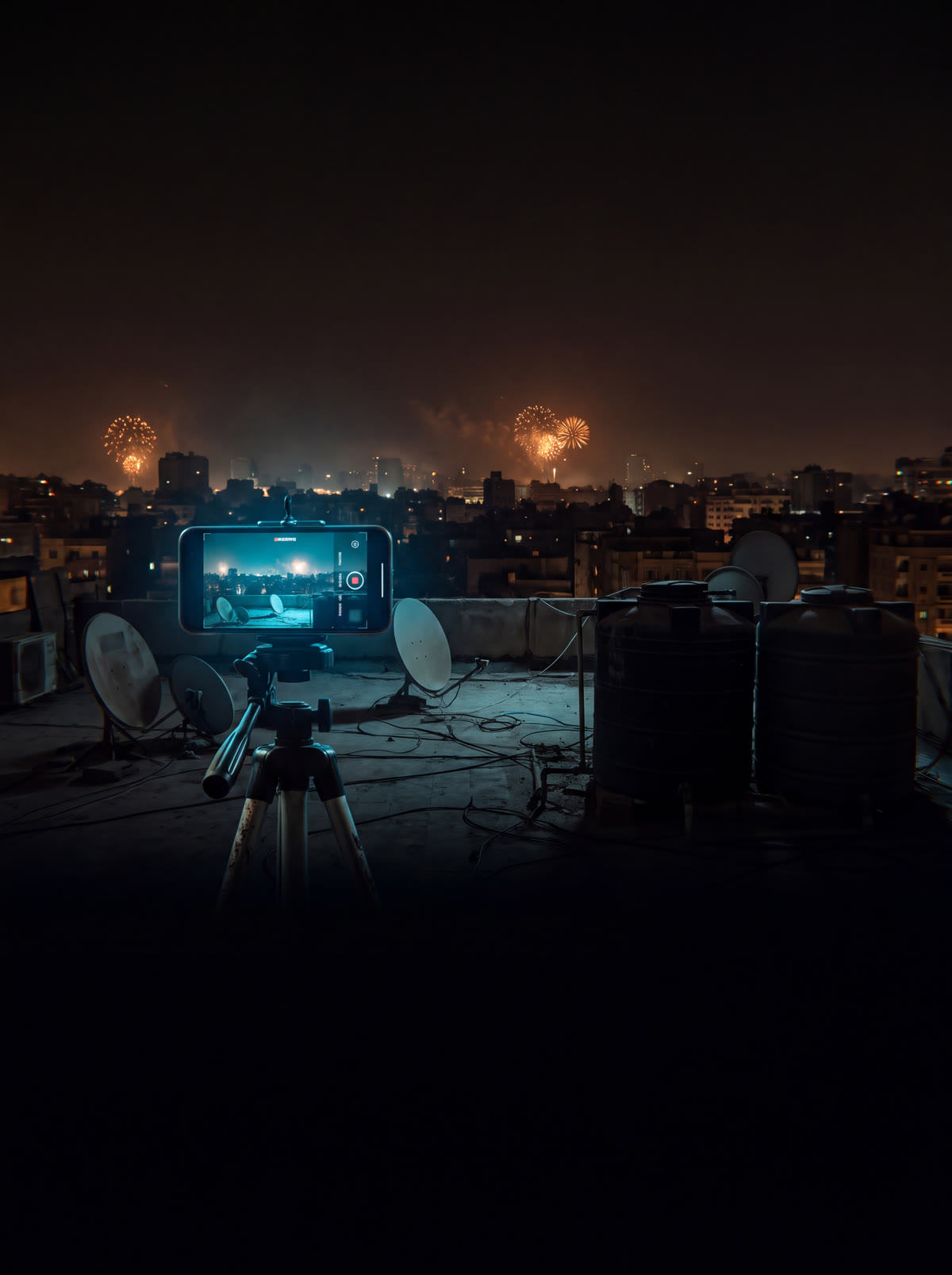
The Native
Gen Z & Gen Alpha. Lives through the screen. Imitates, validates, shares at speed — and spots a fake faster than anyone.
- HookWhich one is real?
- PlatformTikTok · Instagram
- RoleTheories, duets, evidence, speed
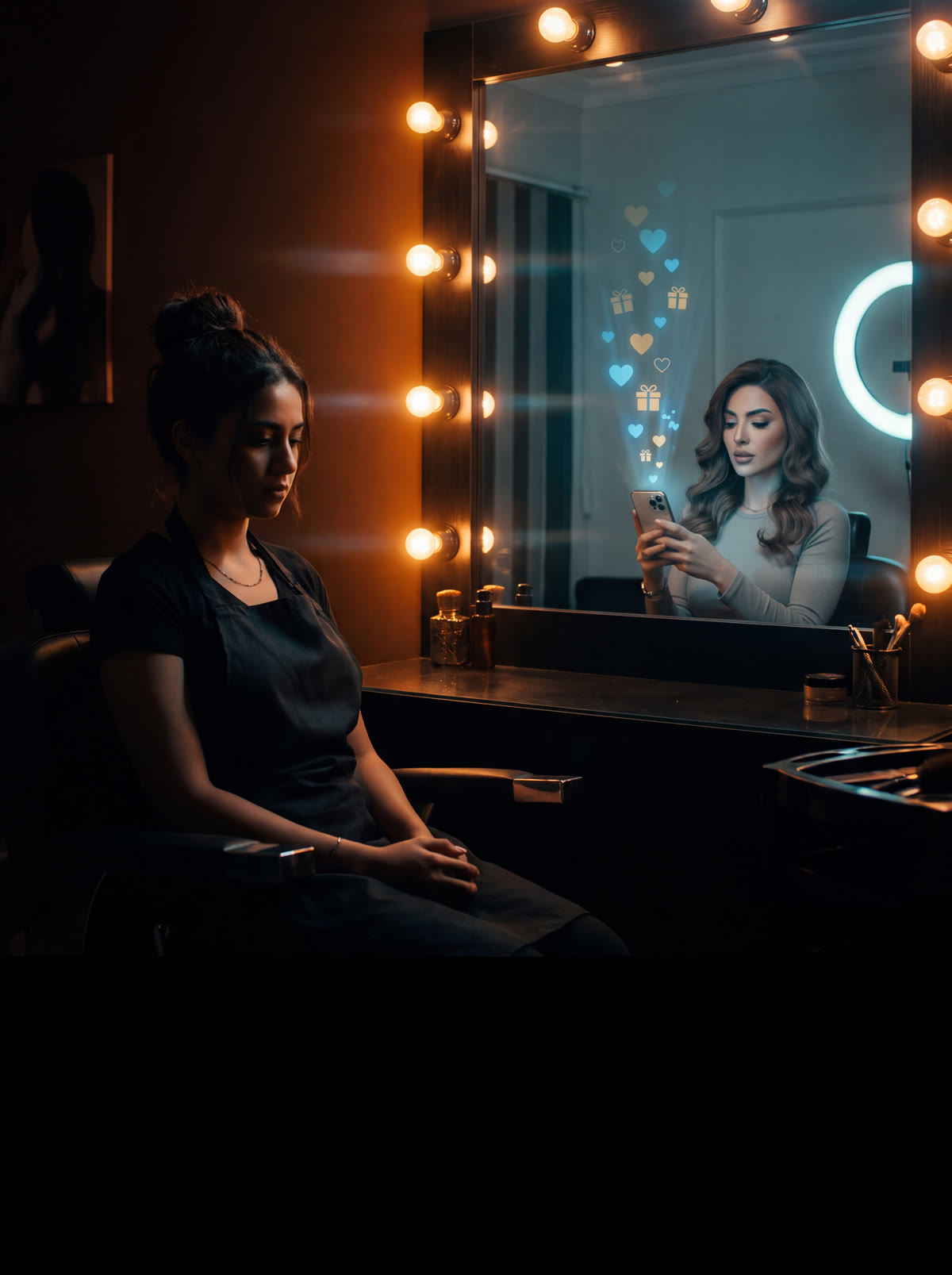
The Storyteller
Creators, culture pages and the people who shape what others believe. Their credibility is the asset — they become witnesses.
- HookI was there. Or was I?
- PlatformInstagram · TikTok
- RoleConflicting accounts, commentary
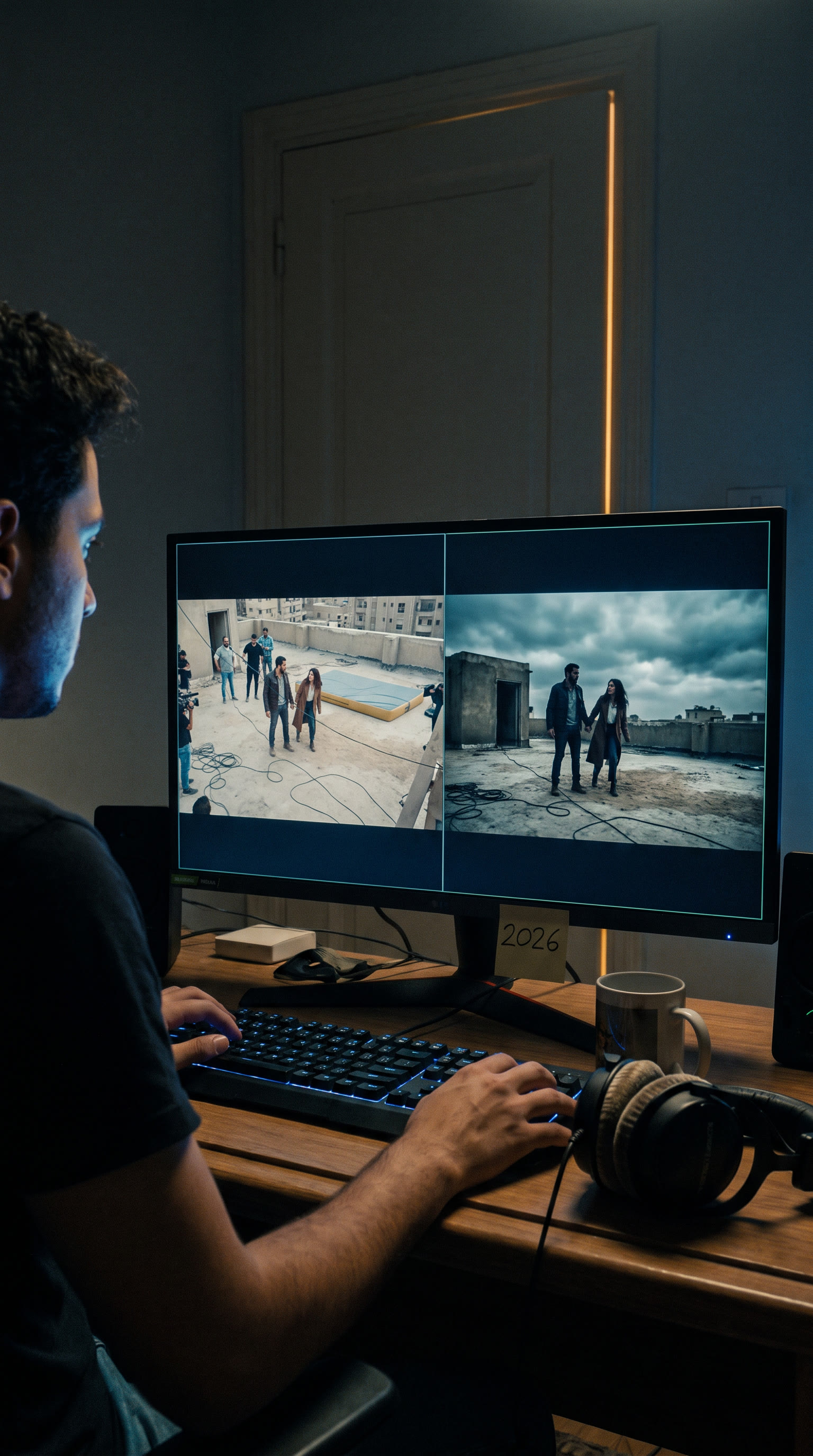
Fake vs. Real
The core mechanic. Two versions of one moment: alarming but harmless, ordinary but staged. Split-screens, paired stories, contradictory angles.
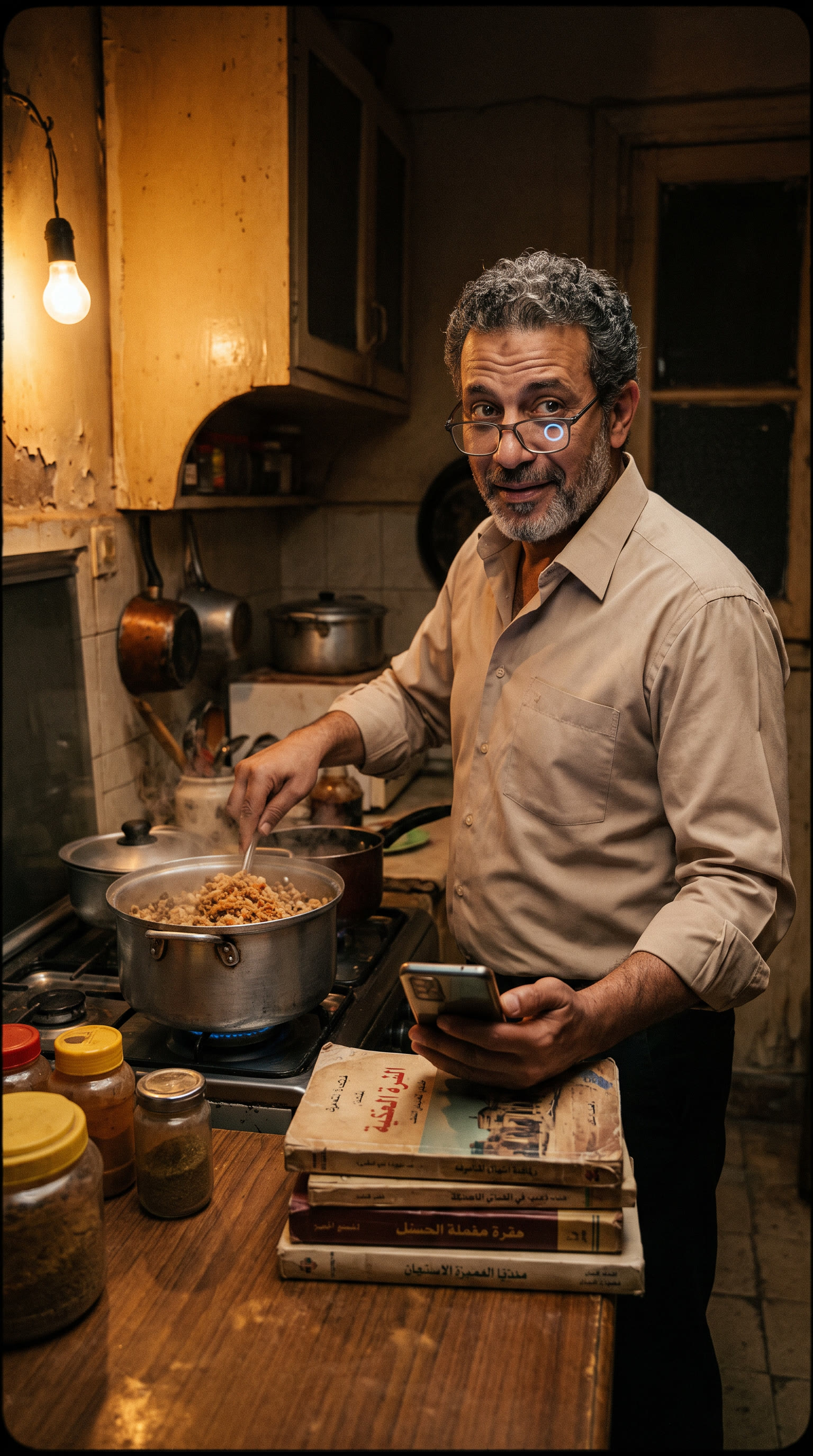
Living the Character
Cast and creators behave as the characters would in everyday life. Posts with a personal reason to exist — never an ad.
The Misinformation Machine
One incident, two headlines. PR and culture pages publish contrasting narratives — clearly fictional, with a reveal path.
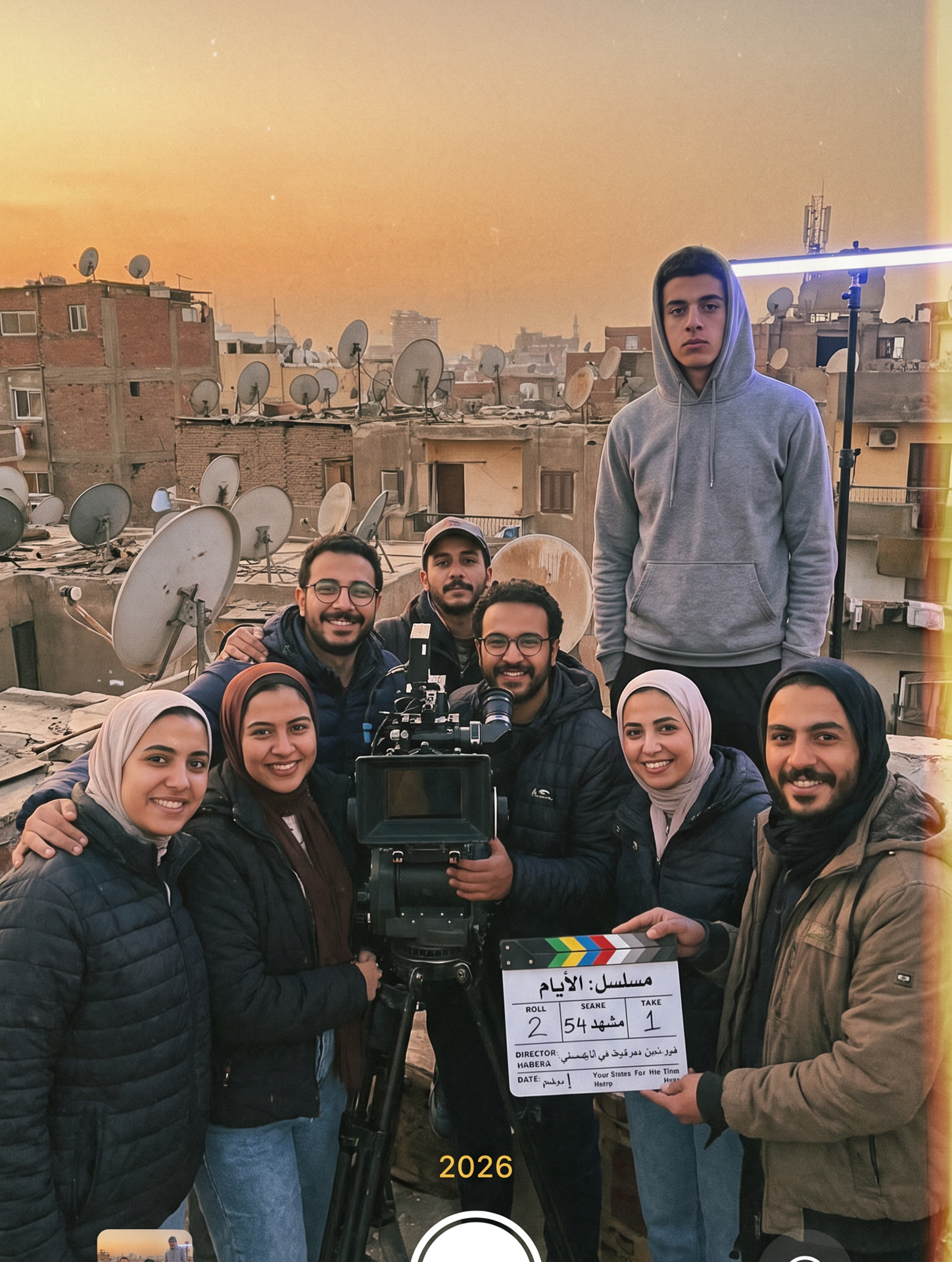
The AI Among Us
One crew member who was never there. Appears in group photos, posters, BTS — a recurring clue, revealed at the end.
The Audience Investigation
Polls, "which one is real?", clue compilations, theory prompts. Sustained curiosity — not engagement bait.
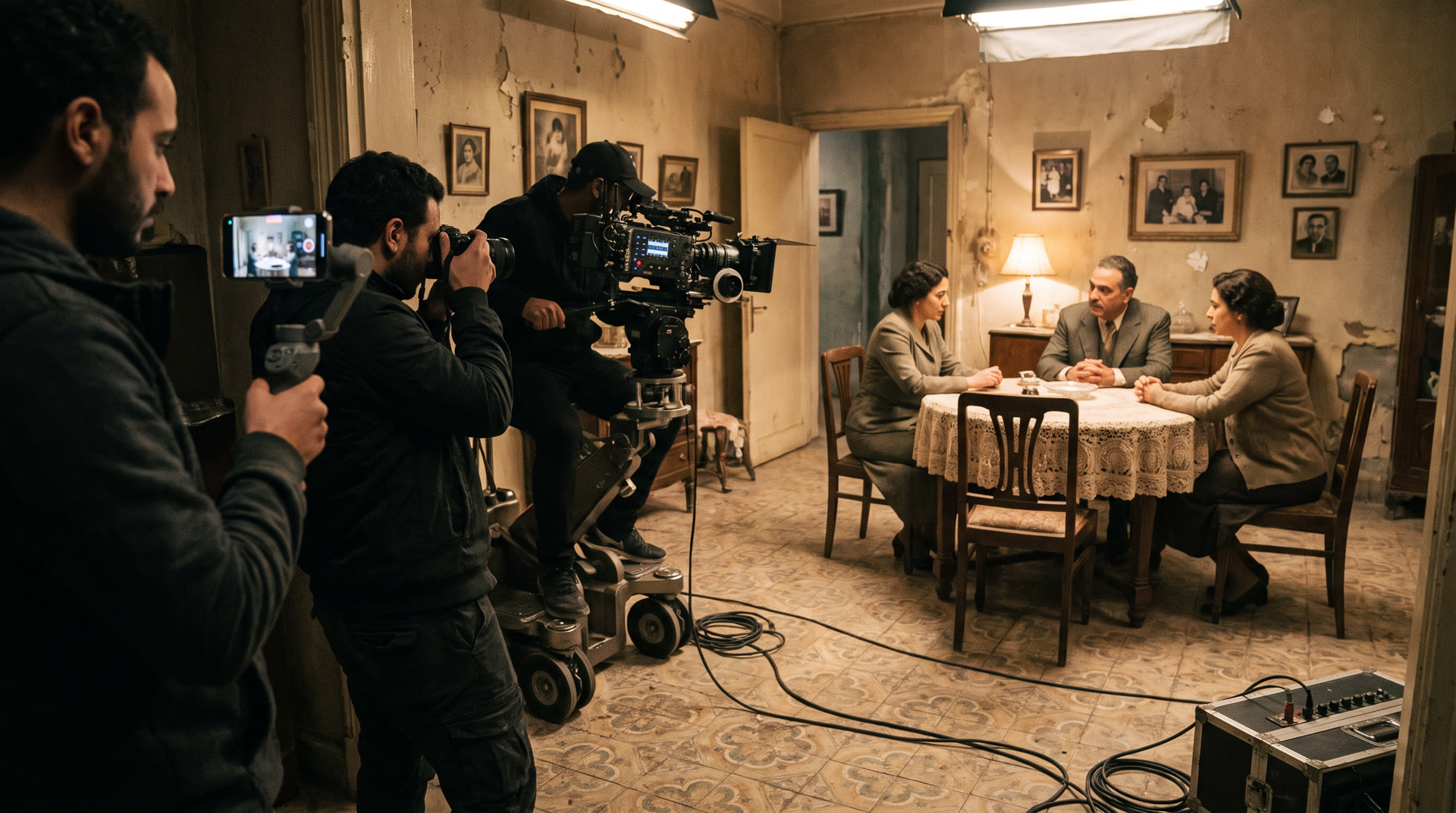
The Truth Behind the Screen
After the finale: real BTS, unedited takes, the AI breakdown. The illusion explained, connected to the series' question.
Three doors. One destination.
The front door of the world.
- Official page: title, key art, cast drop, episode moments
- Stories as episodes — the polaroid / torn-strip system
- Cast collabs and in-character stories
- Carousels for "two headlines, one incident"
TikTok
The engine of the mystery.
- Fake vs real: duets, stitches, two-angle POVs
- Cast in character, creator reactions, theories
- Seka × Donia: the "relationship" the audience debates
- Trends reimagined inside the world — never a challenge
The parents' universe.
- The father's everyday feed — warm, ordinary, then not
- Family audience, groups, long comment threads
- Reach behind the launch and every episode drop
- Where Yango Play conversion is cheapest
Yango Play
The destination.
- Every path ends in one CTA: watch on Yango Play
- Co-branded key art, countdown and episode cards
- Platform page carries the clue archive
- Finale reveal + "لم يكن هنا" live here first
The actors don't promote the series. They live in it.
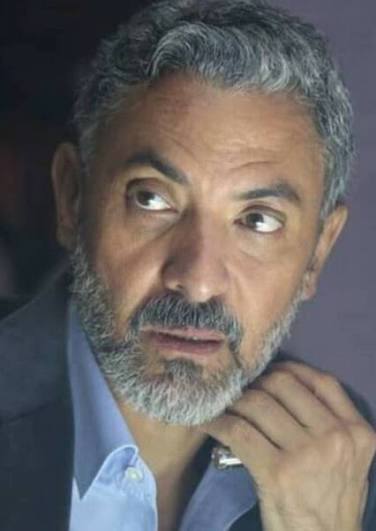
Recipes, a trend attempt, a reaction to a viral clip. Warm and ordinary — then he starts asking questions.
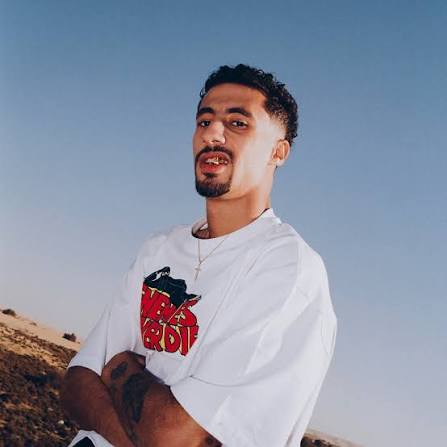
Lives from the street, ring light up. A persona too perfect. His account exists for real — with production approval.
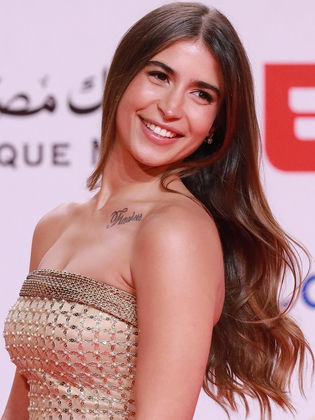
"Advice for girls", the new apartment, the Seka story. The audience debates if it's real. It isn't.
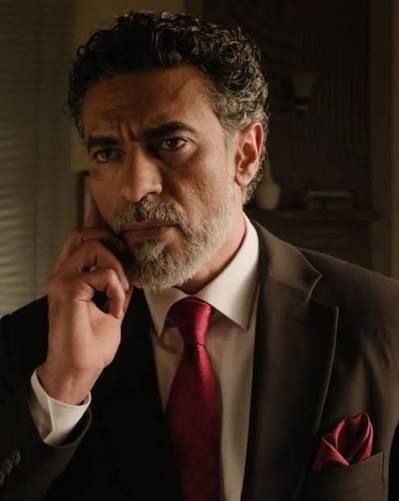
Never posts himself. Appears in others' frames: a glass office, a hand on a shoulder, a voice note.
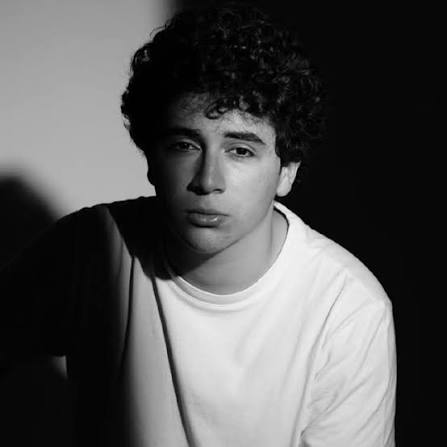
Never posts. His hidden editor account surfaces after launch — "edited by Omar" — the account nobody knew.
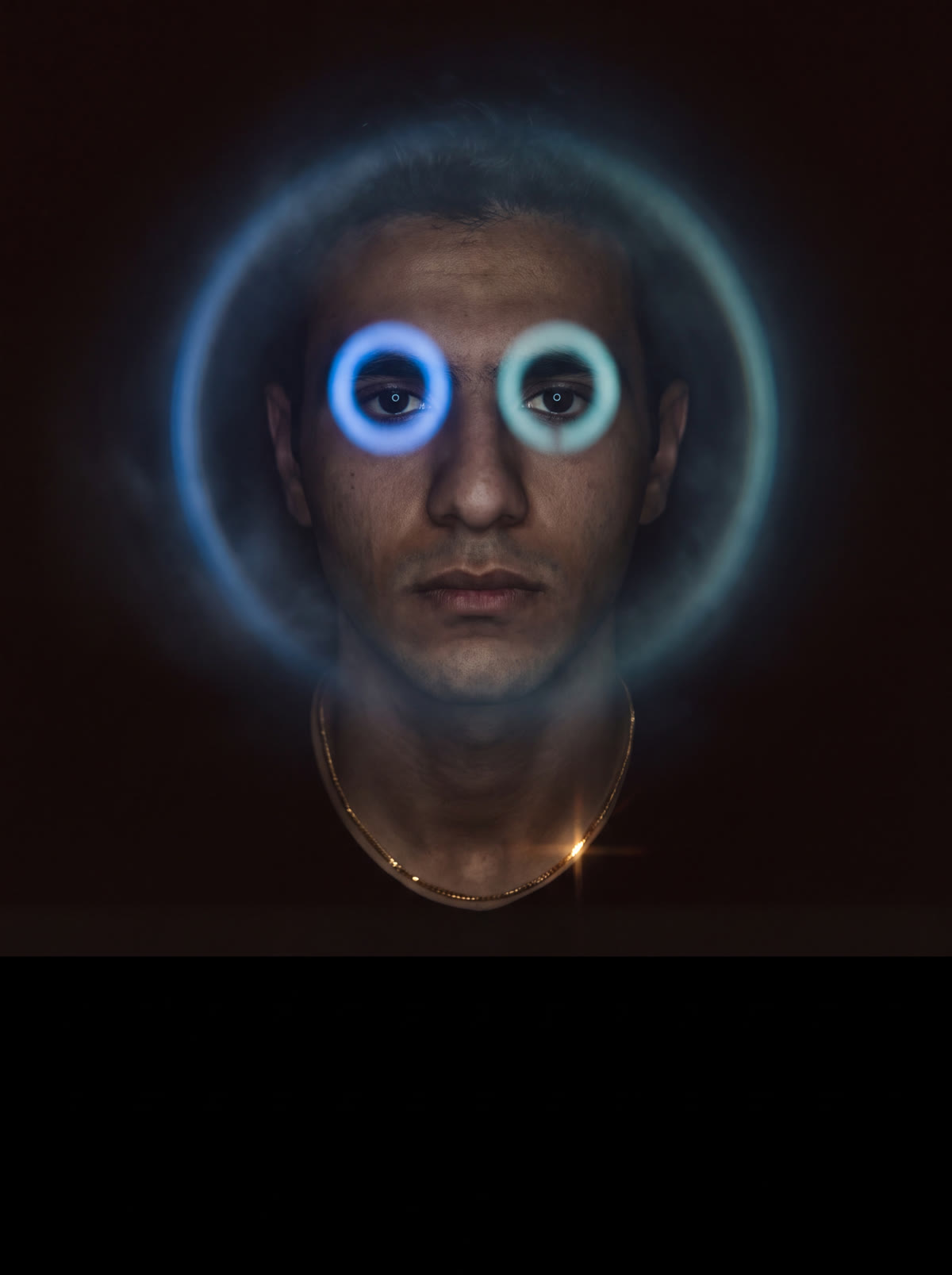
He wasn't there.
A young crew member takes the audience behind the scenes — meets the director, the cast, the crew, uncovers the decisions that turned a story into a world. The audience trusts him. At the finale they learn he was never real. The series' thesis, executed on the audience, safely — and revealed.
A cinematic doc crew captures production as it happens: rehearsals, decisions, problems.
Handheld, personal. His notes, questions and discoveries — the audience discovers with him. Stories, reels, TikToks.
Director, cast and crew complete moments already seen. Cut-downs become the on-air content.
Rules: one visual system for him, documented. Every asset he appears in is logged with its reveal date. The reveal is planned the day the asset is made — not after.
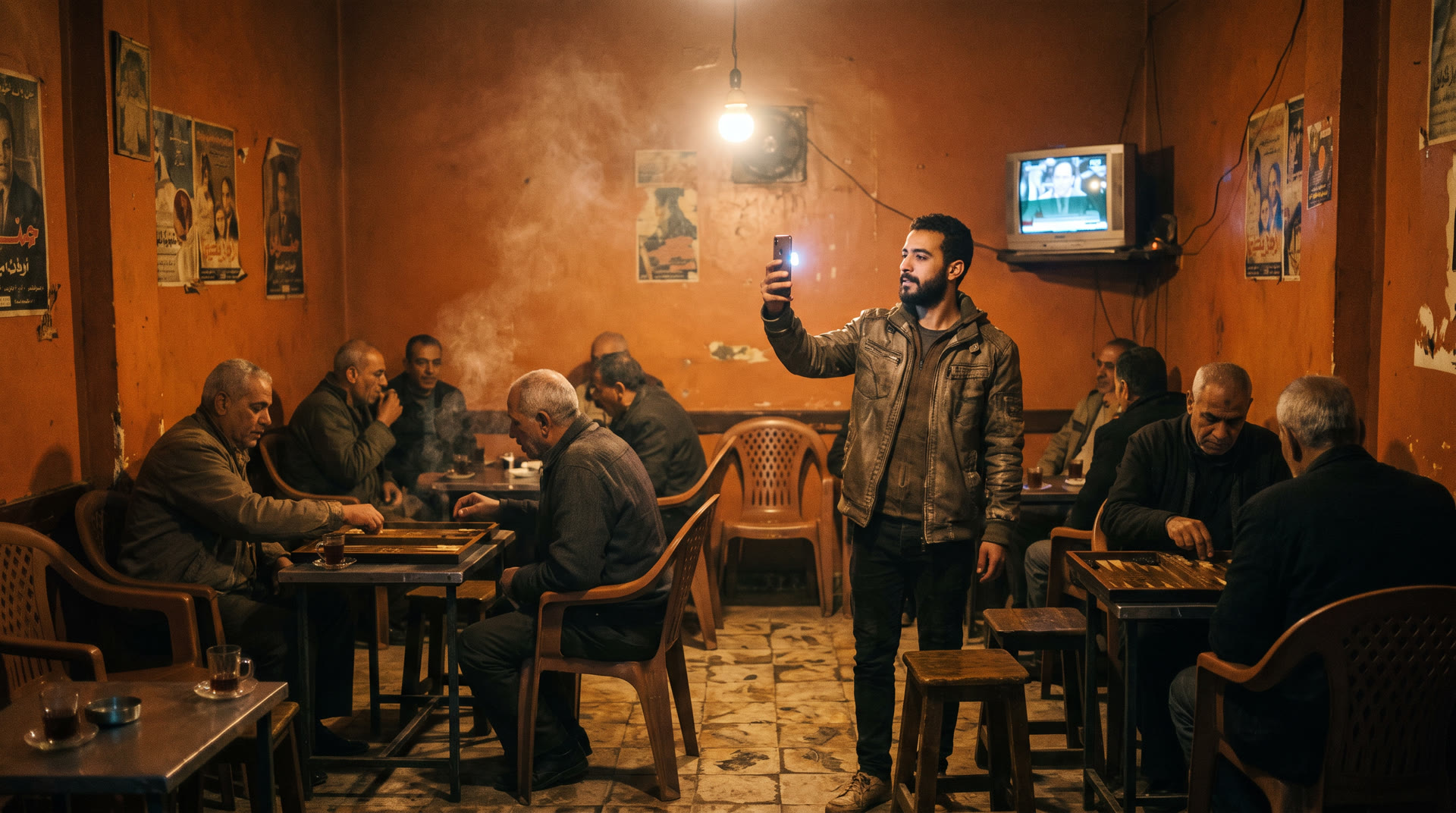
Nobody says "watch the series". Everybody saw something.
Creators as witnesses
6–8 mid-tier creators in their own style: comedy, lifestyle, Gen Z, sha3by, parenting. They post an ambiguous observation, a reaction, a second angle. Their voice stays theirs — they get a persona brief and approved clues.
Culture & PR pages
Cairo Scene, Scoop Empire, Identity, SceneNow, El Fasla. Editorial scale and the "two headlines, one incident" format — mock editorial, agreed fictional framing, a correction path. Then the real coverage at launch and finale.
Meme & reactive pages
The cultural amplifiers. They pick up what the cast and creators seed, in their own language — the campaign gives them the material, never the caption.
Podcasts & talk formats
For the parents' universe: the conversation after the episode. Screens, kids, the half picture. Cast and director appear as themselves — the one place the campaign speaks plainly.
Influencer and PR fees sit outside the agency fee. Shortlist and tiers are finalised with the cast and the release date.
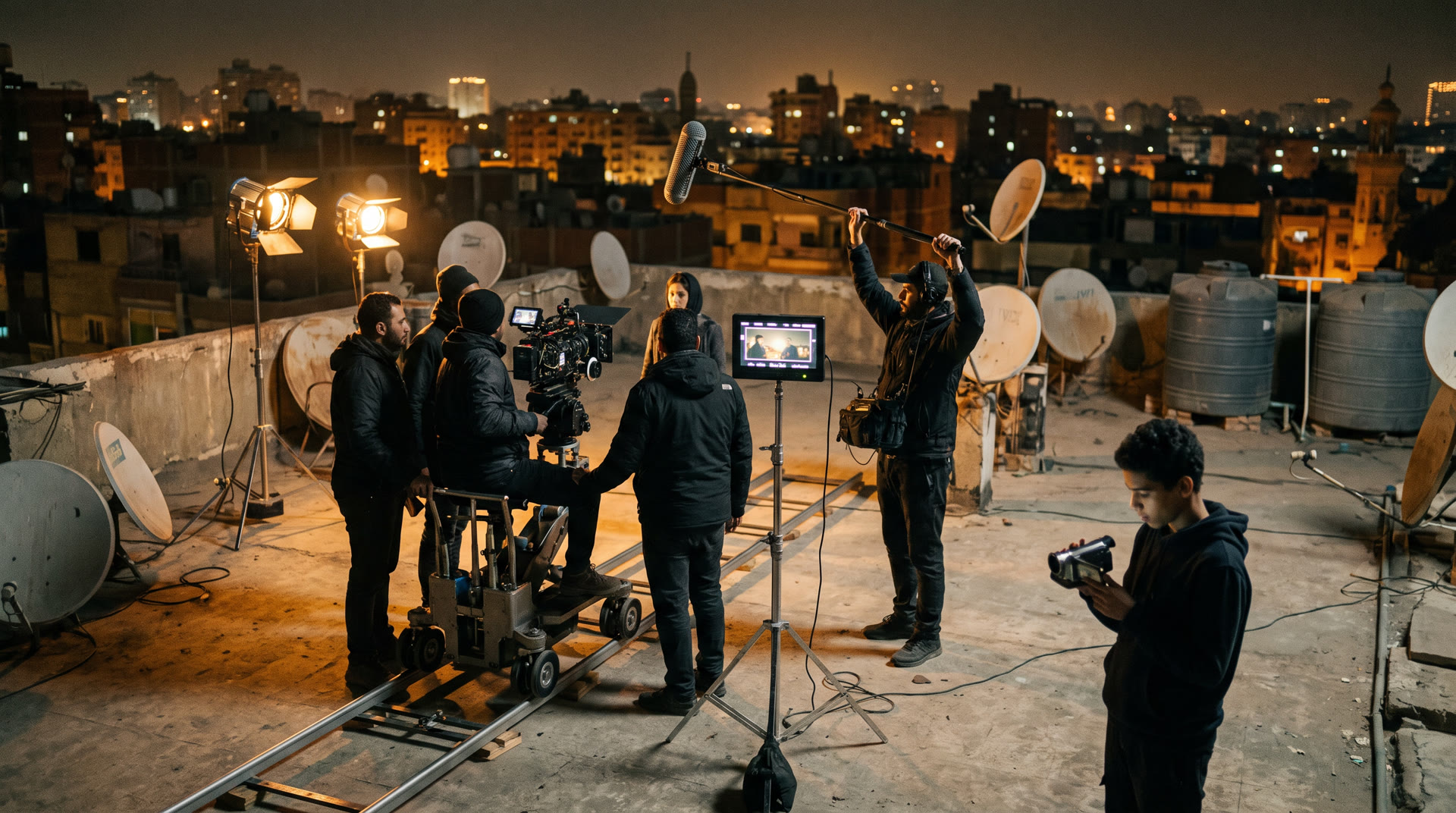
Setup
قبل التصويرLock the idea before the cameras roll.
- Campaign platform on one page
- Final moodboard + visual system
- On-set capture plan
- The Insider: identity guide
- Social setup, pillars, tone
Shoot
أثناء التصويرCapture once, use across the whole campaign.
- BTS, stills, cast content, vertical
- The Insider on set (3 cameras)
- Fake vs real pairs shot together
- Content bank sorted by phase
Pre-launch
التمهيدSeed the world. No title yet.
- Cast living in character
- Location stories, cryptic clues
- First Insider cameos
- Creators: ambiguous observations
Reveal
الإعلان والعد التنازليConnect the clues to the title.
- Title + cast drop as one set
- Teaser, main poster, torn-strip posters
- Countdown, cast reactions
- PR pages: launch coverage
On Air
أثناء العرضFollow the episodes. Never get ahead of them.
- Cut-downs, key lines, reactive
- "Which one is real?" polls
- Two headlines, one incident
- Insider trail, creator theories
- Weekly reporting + adjust
Finale & Reveal
النهاية والكشفClose the story. Keep the conversation.
- Finale-night content
- What was real: side by side
- The Insider reveal
- "لم يكن هنا" bonus doc
- Final campaign report
Dates are locked once production confirms the shoot schedule and Yango Play confirms the air date. Phases are gated by content, not by the calendar.
Observant. Unsettling. Native.
- Casual before cryptic
Start with believable everyday behaviour. Then small inconsistencies.
- Curious, not explanatory
Invite the audience to notice. Never explain the answer.
- Platform-native
The creator's own language, pacing, format. If it looks like an ad, it's wrong.
- Emotionally grounded
The mystery always connects back to a father, his grief, and a son nobody saw.
- Controlled escalation
Subtle oddities → obvious contradictions as launch approaches. New evidence every time.
Never.
No UGC challenge, no hashtag that says "try it". The campaign never repeats what the story warns about.
The loss at the centre of the story is never a hook. No fall, no body, no edge.
Reveals follow the episodes. Nothing gets ahead of what has aired.
Fictional incidents only. Never a fake emergency, never a claim about a real person.
One campaign lead can pause or pull any asset. Every high-risk post ships with its clarification pre-written.
The Location
The actor playing the son visits a place from the series and posts a calm, personal story. A later story introduces an unsettling thought. Why does this place matter?
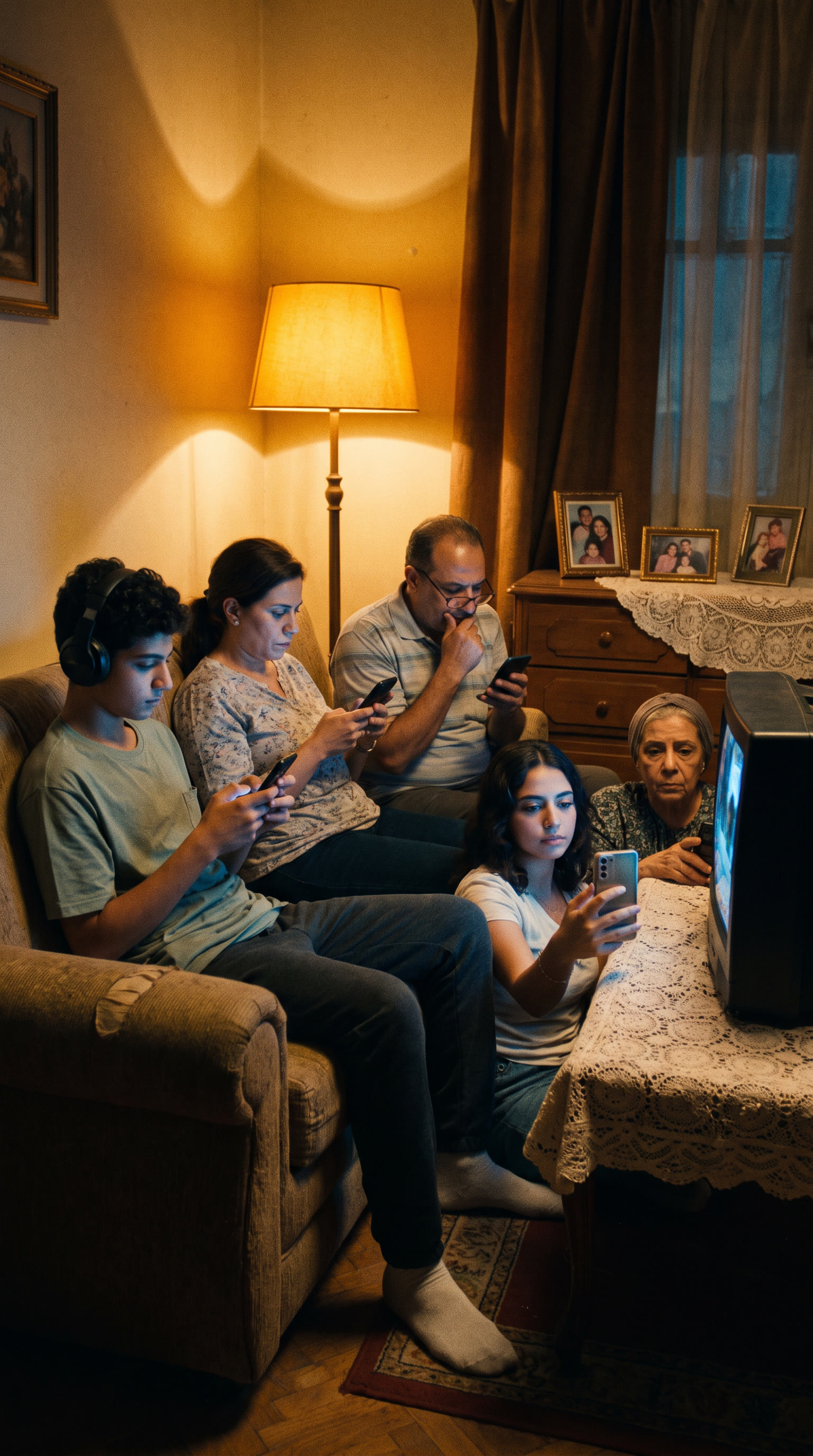
The group that doesn't belong together
A creator films people sharing one space but disconnected from each other. Then the same moment from another angle — and it means something else.
Two headlines, one incident
A culture page runs a carousel: one slide dramatic framing, one slide a conflicting account. The audience is asked what was altered, omitted, taken out of context.
The extra person
The Insider appears in a group photo, a cast poster, a BTS story. Subtle, consistent. After the finale, a reveal video shows the originals — and how he was composited in.
The father's everyday feed
Recipes, a trend attempt, a reaction to a viral clip. Warm and ordinary. Then, post by post, he's more inside the online world than he admits. Character-led, never a switch into an ad.
The reveal: what was real?
The campaign's most discussed posts, each beside its original footage, setup or edit. The Insider revealed. The final message is the series' question: what happens when we trust the image before the source?
Attention
- Reach, impressions
- Video starts, completion
- Avg. watch time
- Profile visits
Participation
- Comments, shares, saves
- Poll + quiz responses
- Audience theories
- Creator duets / stitches
Launch conversion
- Trailer views
- Title searches
- Official follows
- Yango Play clicks + reminders
Viewership
- Episode starts
- Completion, return viewing
- Episode-related searches
- Referral from campaign
Reveal payoff
- Reveal-video completion
- Sentiment
- Retrospective comments
- Renewed series interest
Reporting: weekly in pre-launch by persona, pillar and platform · around every episode drop on air · one closing report after the reveal. Numbers with the comments next to them — the theories tell us if the clues land.
Creative direction, ideation, planning
- Campaign platform and creative direction
- Moodboard and visual system
- Key art direction: teaser, main poster, character posters
- Content pillars and a plan for every phase
- Ideation per phase and per episode on air
- Copywriting and tone of voice
- The Insider: identity, placements, reveal plan
On-set content, editing, design, publishing
- On-set: BTS, stills, cast content, vertical video
- The Insider's three cameras + "لم يكن هنا"
- Editing: teasers, reels, episode cut-downs
- Design: key art adaptations, social formats
- Publishing: scheduling and page management
- Community management in the series' tone
Media buying and reporting
- Media plan across the phases: teaser, launch, finale
- Campaign setup and management on Meta + TikTok
- Influencer coordination and briefs
- Ongoing optimisation
- Performance reporting
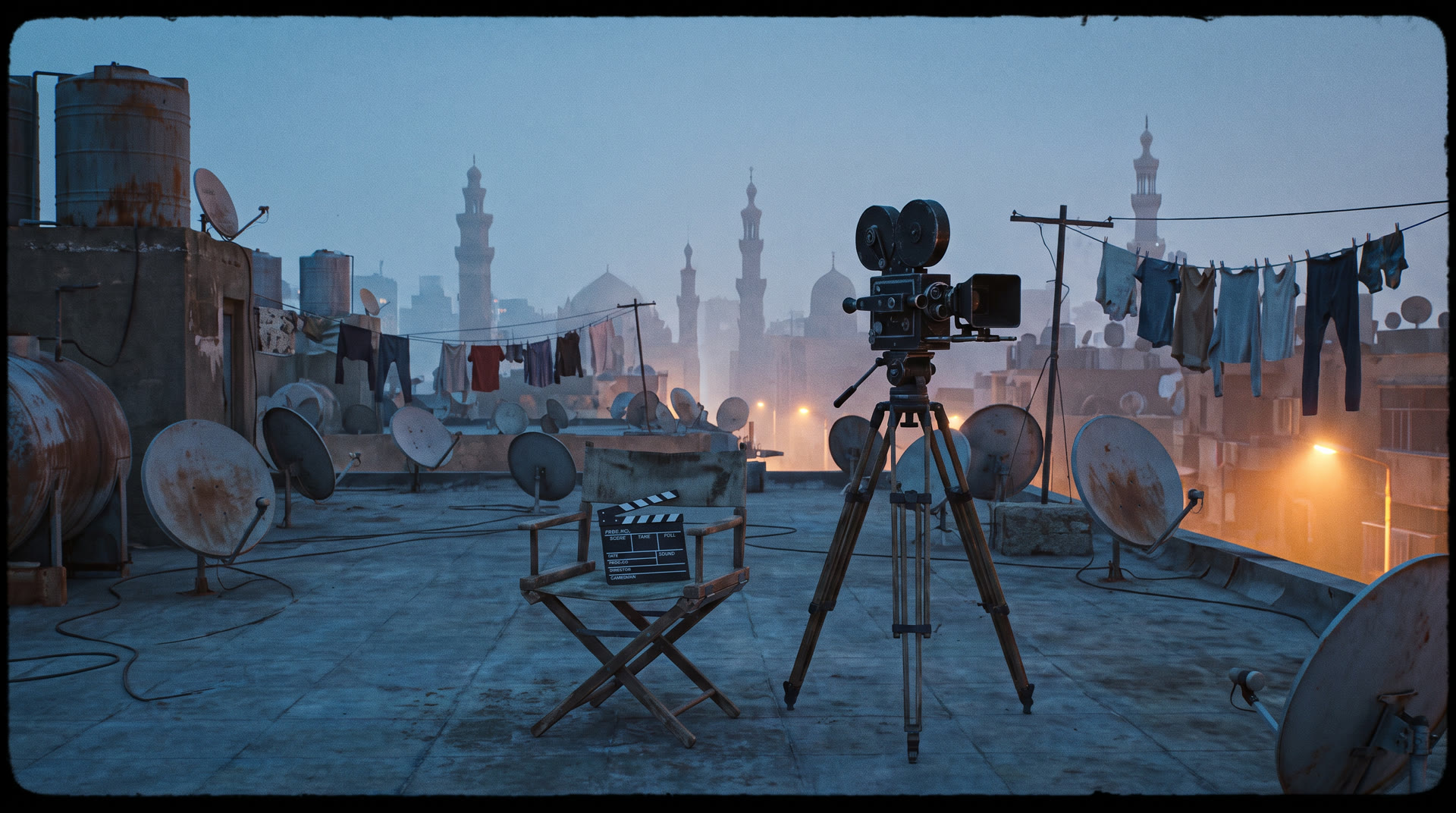
How we start.
- Approve the direction
The platform, the Insider, the three universes. One yes on this deck.
- Kick-off + access
One WhatsApp channel, one point of contact, set access, the shoot schedule.
- Lock before day one
Campaign platform on a page, visual system, on-set capture plan, cast briefs.
- Yango Play alignment
Launch window, co-branding rules, where the clue archive and the bonus doc live.
- Shoot with the series
The campaign is captured while the series is — not added after.
What we need from S Productions.
The final name of the series — no logo, no handles before it.
The confirmed cast, and who agrees to post in character.
Yango Play air date and the episode schedule.
The shoot schedule and our access on set from day one.
Who signs off creatives — one name, one channel.
A contact on the platform side for co-branding and placements.
For influencers, PR pages and media — to size tiers and reach.
بس اللي هنعمله حقيقي.
Not everything you see is real. What we'll build is.
×
·
Average5 · Digital & Art · avg5.com · Cairo · October 2026
× S Productions